Over the Fence Urban Farm

Cooperatively farming small patches of Earth in Columbus, OH


Leave a comment

Learning to Grow Ginger in Central Ohio

The first week in March I attended a workshop at the Columbus Agrarian Society on growing ginger in central Ohio. The workshop was led by Joseph Swain who has been growing young ginger a mile down the road for five years and selling it through Swainway Urban Farm. His ginger has always blown my mind – from a gardener/ artist / foodie perspective. It’s gorgeous and it tastes like longevity.

Typically grown in tropical locales, ginger needs some extra attention in these parts of the world. The workshop focused on how to cut up a hand of ginger to produce “seed,” planting and caring for rhizomes while they pre-sprout, and what to do with them once outside temperatures are ready for their transplant (regular temperatures in the 70s or above).

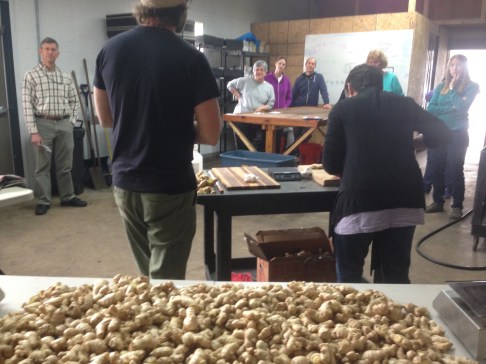
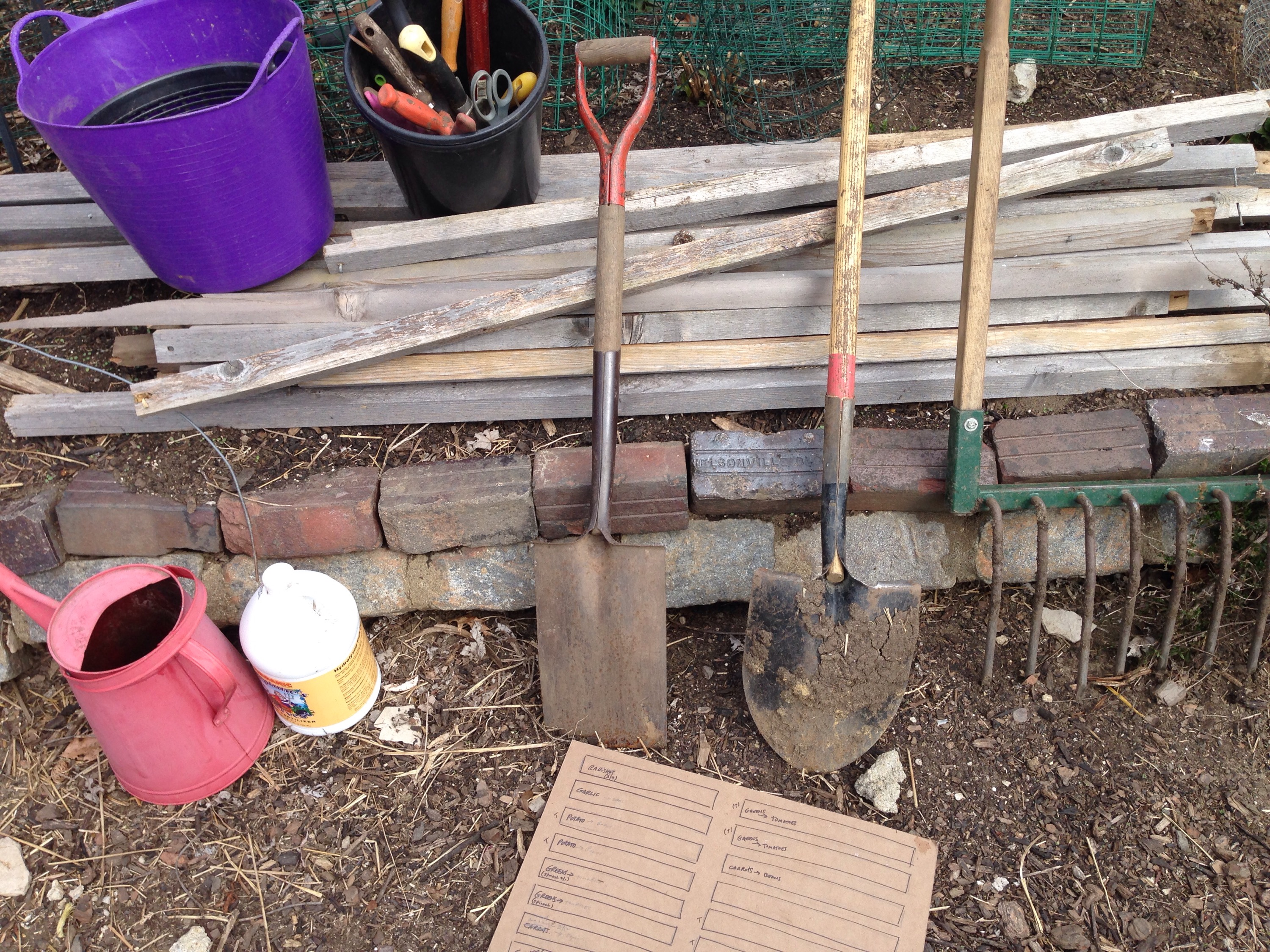
Here’s some of what we saw when we arrived.

IMG_4997

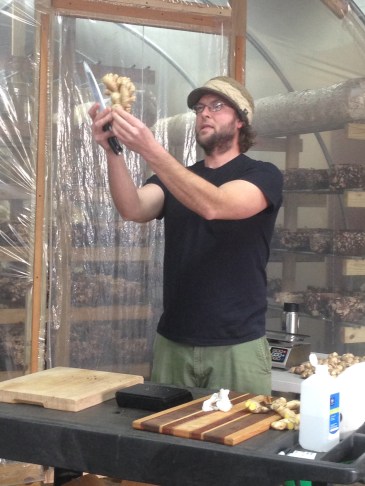
And here’s Joseph showing us how to measure and cut seed.

IMG_5001

A few folks gave it a try…

IMG_5003

And then we all prepped our seed beds and took them home. Keeping the tray around 70 degrees and sunlit has not been easy. I’ve moved mine from the southfacing kitchen table (where it was always in the way and in danger of being turned into a fairy garden) to a bedroom upstairs that gets great light and is empty most of the time, and then finally to the basement to rest on our heating mat.

IMG_5005

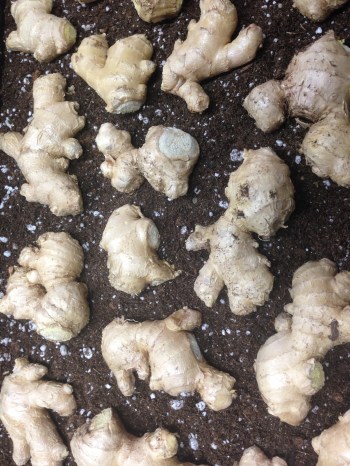
Six weeks later, we have sprouts! This is one of those gardening projects I’m really proud of, but really, it was mostly about patience.I know it doesn’t look like much, but just wait…

IMG_5615


1 Comment

Failure in the field

Like all bloggers, I tend to emphasize our successes in the field. (I did write about some ugly carrots at one point and I stand by my love of fruta feia.) Today I thought I would share a failure.

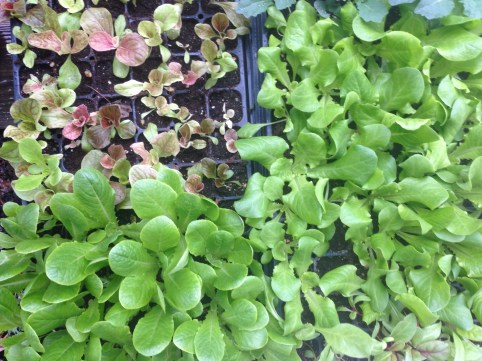
About 3 weeks ago, we set out some red cabbage starts. You can see them on the bottom right of this image. Looking back on them now, they definitely look like they could have used a few more weeks under the lights inside before transplanting. But, it was warm and the plants on the other side of the tray were ready to go.

FullSizeRender-2

Before planting, I consulted folks on the Ohio Homesteaders and Gardeners Facebook group.

Screen Shot 2016-04-06 at 11.02.07 AM

As you can see, I wasn’t alone in my poor previous attempts. I took the comments about feeding cabbage well and providing a stable environment to heart and set them out with a nice dousing of fish emulsion and a frost blanket. I should have taken more seriously the post wishing me luck.

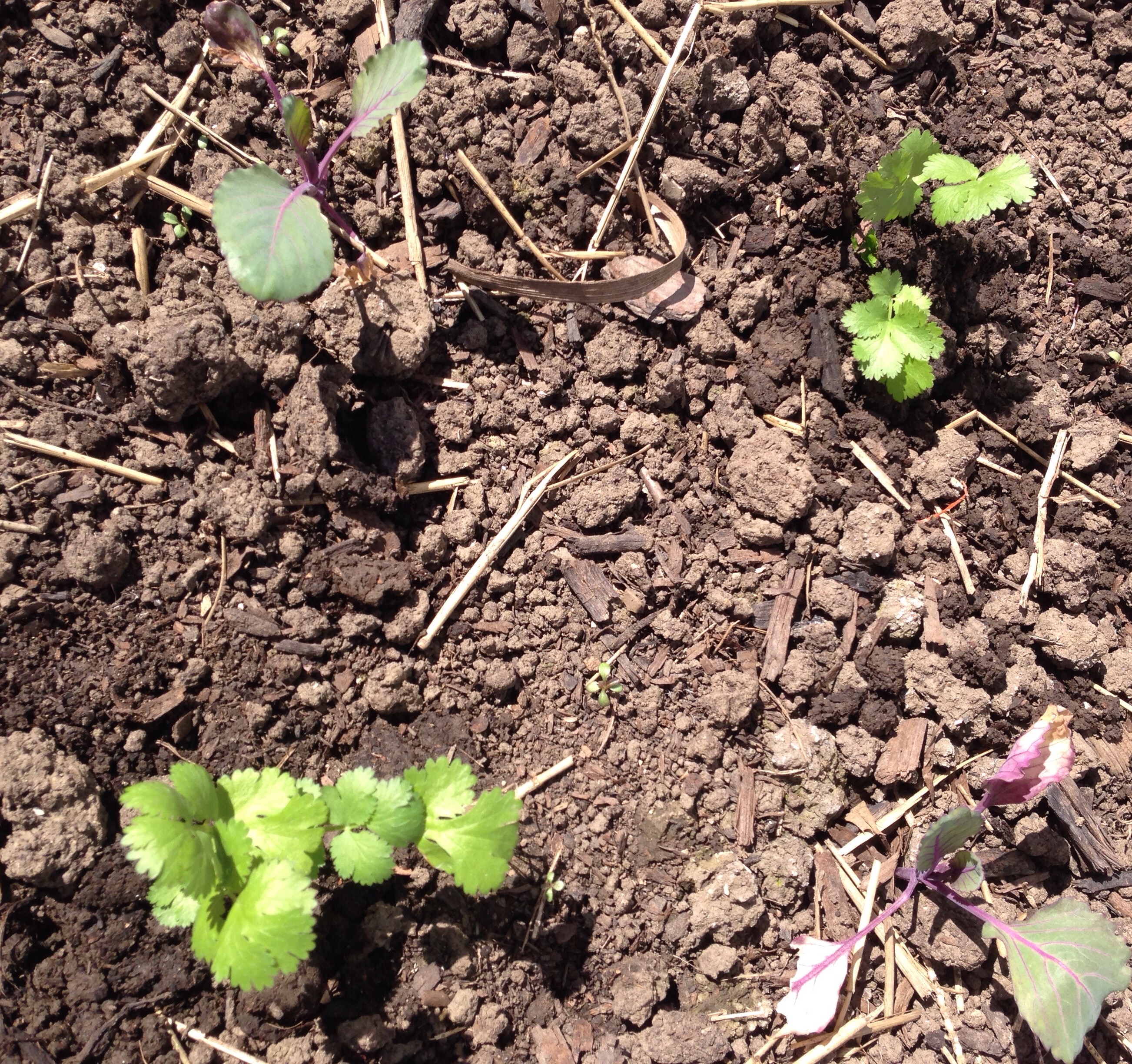
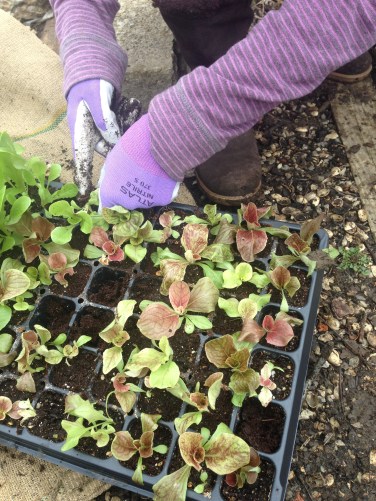
I’m sad to those seedlings are not looking great at this point. In the photo below you can see a few (top let and bottom right) which are pretty leggy and have burnt leaves. These were two of the best looking ones I found.

Thankfully, I had some cilantro and boc choi in need of a home so I spent yesterday afternoon interplanting those between a few cabbages that will get one more chance to get going. With overnight temperatures in the 20s expected on and off this week, their outlook is not all that great.  I might try starting a few more red cabbage plants before we get much closer to the frost our date. Maybe.

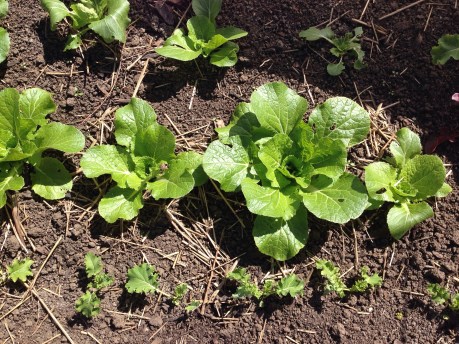
Below is another problem we’re facing. The Napa cabbage we set out the same day as the red is looking good — leafing out and emitting a gorgeous green glow. However, slugs have been feasting on them. Yesterday I set out a few beer traps and hope to find some treats for the chickens later today. This is my first try with this so I’m not sure I did it right. I’ll be sure to report later.

Below is a shot of shows some of the plants that haven’t suffered much from slug attacks (see center row). I believe there’s hope for them yet…

IMG_5321


Leave a comment

Service Learning with OSU EEDS Students

This afternoon I hosted half a dozen OSU students and their friends for some hands-on learning. I had visited and spoke with them last month during a Rural Sociology course at Ohio State they are enrolled in called “Population, Place, Environment.” My article, “Art Education in My Backyard: Urban Placemaking on an Urban Farm,” was included on their syllabus. Most are majoring in a multi-disciplinary degree program,”Environment, Economy, Development, and Sustainability.” I’m still trying to figure out what all this means, but it was great hanging out with them and hearing about their interests and academic pursuits.

Sarah is conducting a survey of people who live in the vicinity of urban farms in Columbus.
Joachim was recently appointed a parcel of land to garden through the city’s land bank.
Molly has been working for clean energy solutions.
Laura is interning with OEFFA.

It took me a little longer than usual to get things ready for the workday since we are still unpacking from the off season. With a little effort, I got the workspace opened up and found the tools we’d need.


Thelma and her friend Laurel arrived first, eager to get to work. I saddled them with resizing the last beds on the west side. This wasn’t easy as things have been out of wack from the start.

They got things marked off and moved soil around to get the beds back in line.


Then George, Sarah, Alayna and her friend worked on reestablishing the walking paths between the beds.


On the other side of the farm, Laura, Molly, and Joachim worked on the garlic beds. They removed the straw that was set in the fall, counted the plants, fertilized, and recovered them with a new blanket of straw.

It was a great afternoon – relaxed place, productive energy, engaging conversation – and I lamented the fact that there are only a few weeks left of the term, leaving us little opportunity for additional time together. A number of the students are graduating this spring and I feared that coming to the farm today might not have been well-timed. On the contrary, they reported that garden therapy was just what they needed. Since I’ve been grading my own students’ papers night and day with no end in site, it was just what I needed too.

Come back anytime, y’all.


Leave a comment

Jodi Kushins, Urban Farmer

[NOTE: February 27, 2020. Just re-read this post. So many things I could respond to, correct, extrapolate and report on. Maybe soon. For now, just a note to acknowledge this was written by a “younger” me.]

I was recently asked to consider the following questions as part of the Ohio Ecological Food and Farm Association’s (OEFFA) Women Grow Ohio project. The group’s leaders are putting together a website and plans for a second annual farm tour and wanted input from urban growers to balance out the voices of those in more bucolic settings.

How do you view your title? Are you an urban farmer, homesteader, grower, livestock farmer, gardener, or something other?

The responses shared by others before me were so eloquent. So beautiful. So confident. I felt not only at a loss for words, but humbled to be included in their group.

See this response from Sarah Campbell Taylor, for example:

Well we do call our business Jedidiah Farm. But at the risk of sounding contrary… Even though I grow on a larger suburban plot and do sell my products I don’t consider myself a farmer. I feel like throughout history and even now in many places people have done what I do- working hard to nourish themselves and others, sharing the bounty of their harvest with their community- and not necessarily considered themselves farmers. Maybe because it was just a way of life and didn’t really need a name? I hope that what I am doing won’t be unique for long, and that even people who don’t aspire to be farmers can see something in my lifestyle that they can envision for themselves.

Things I consider myself:
A mom who loves good eats.
A producer.
A revolutionary (I hope?)
A gardener/orchardist/goatherd[er]!
An experimentalist.
A person with a conscience.

You know the saying “if you want something done right, do it yourself.”? Well I love food. So I grow it and I share it.

When asked if she’d describe her approach “a homesteading lifestyle”, she responded:

Our lifestyle definitely includes homesteading, but I don’t think it encompasses the scope of what we are trying to accomplish because homesteading focuses on self-sufficiency while we our interests lean more towards sustainability, stewardship, community building and regenerative living.

Like Sarah, I named our project Over the Fence Urban Farm but felt a little funny about it for the first few years. Ultimately I called it a farm because it sounded better than Over the Fence Urban Garden. I second guessed my decision repeatedly and felt like a bit of a fraud when visiting larger operations. But, after a few weeks of thinking and living with this question, I am happy to call myself an urban farmer. Here are a few things that ran through my mind that helped me come to this conclusion.

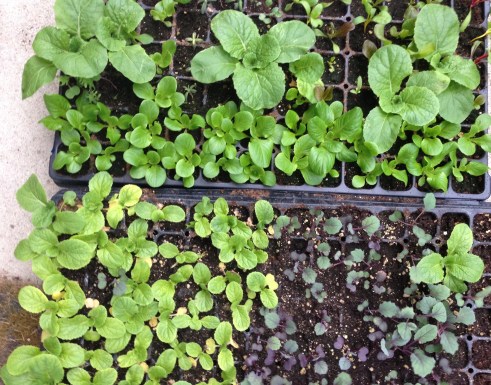
After hardening off hundreds of spring greens seedlings, I started sprouting another few more hundred.
FullSizeRender-2

Spring Greens Seedlings, Round 2

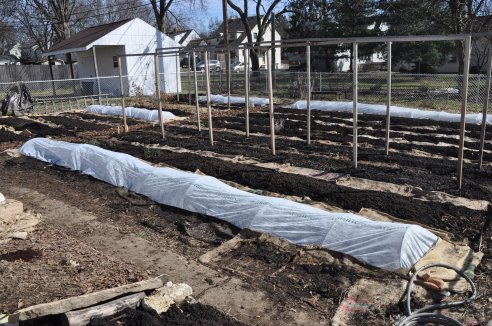
My yard doesn’t look anything like the (sub)urban lots around me. It looks like a farm. A small farm, yes, but a farm nonetheless.
DSC_0312

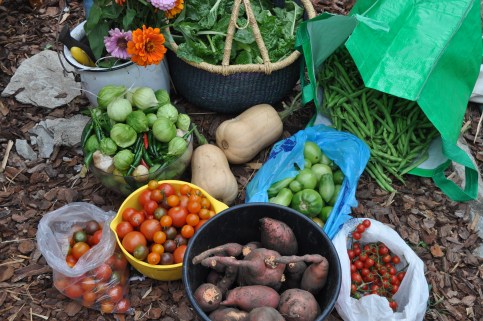
Through my efforts I am feeding others. Our small, backyard CSA fed 20 families last season. Granted, we didn’t meet all of their produce needs, but we made a healthy contribution.
DSC_0033

In the end, like Jedidiah Farm Over the Fence is not just about growing good food. I often refer to it as a community kitchen garden and feeding ourselves and others is certainly at the top of our agenda. But a large part of our mission is developing healthy soil and beneficial insect habitat, educating others to better grow their own gardens, and creative community building (see more on this in “Art Education in My Backyard: Creative Placemaking on an Urban Farm.” I don’t think these things are exclusive of being a farmer. To suggest otherwise ignores the role farmers play in our lives, communities, and ecosystems.


Leave a comment

Welcome to the 2016 Season!

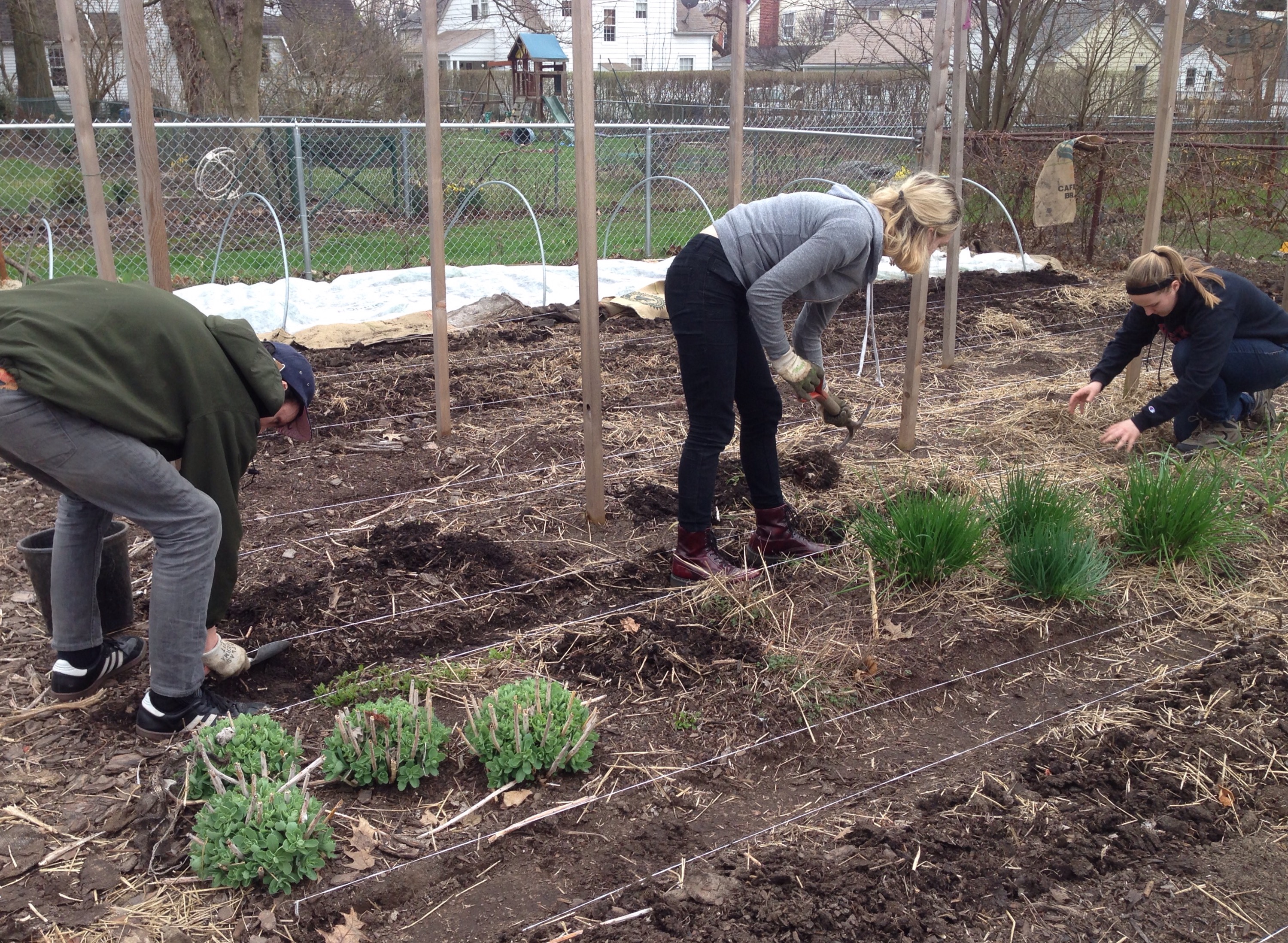
In keeping with the unusually mild winter weather we enjoyed this year, overnight temperatures  are predicted to be above freezing for the foreseeable future.  That means it’s time to get the farm back in action. Here’s what it looked like yesterday morning. IMG_4994

The chickens have wrecked havoc on the beds all winter, scratching and kicking straw and soil every which way. Going into our third season it was time to remark our beds anyway – some had shrunk by a couple of feet on the ends – so the girls kind of did us a favor.

With help from die-hard CSA member Melissa, we got started measuring, moving and prepping the soil, and put a few trays of greens in the ground.IMG_4995

These babies were hardened off and ready to embrace the cool crisp air. (clockwise from top left- radicchio, lacinato kale, buttercrunch lettuce, rainbow chard, and romaine)

IMG_4984

Melissa pulled the plants from the trays…IMG_4991

…and I tucked them into their freshly (re)made beds.IMG_5010

Then we covered them with a frost blanket (sorry no photo), just in case Jack Frost comes back around this way.

Next week: The Return of Happy Hour on the Farm!


Leave a comment

The Hardest Cut

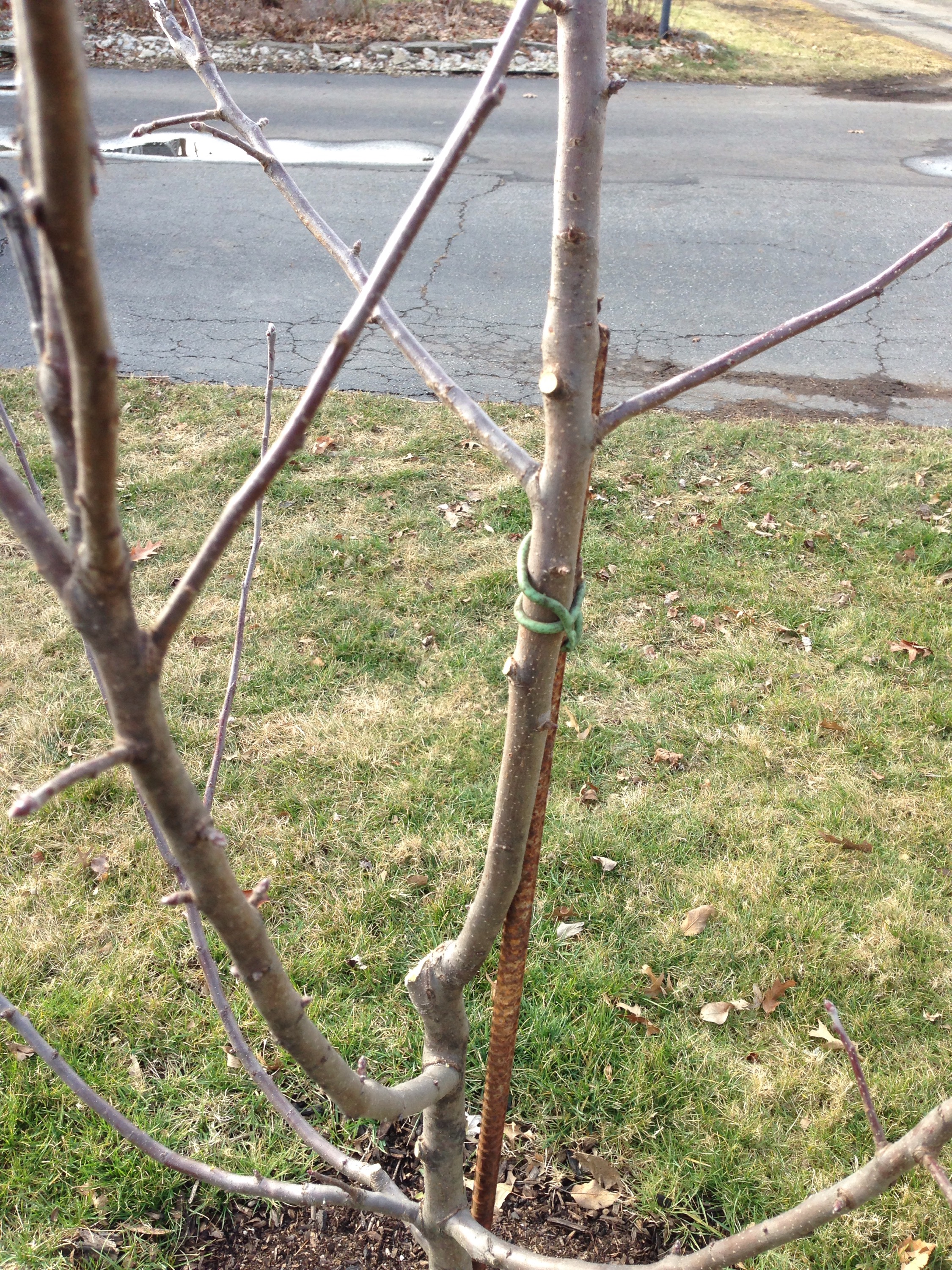
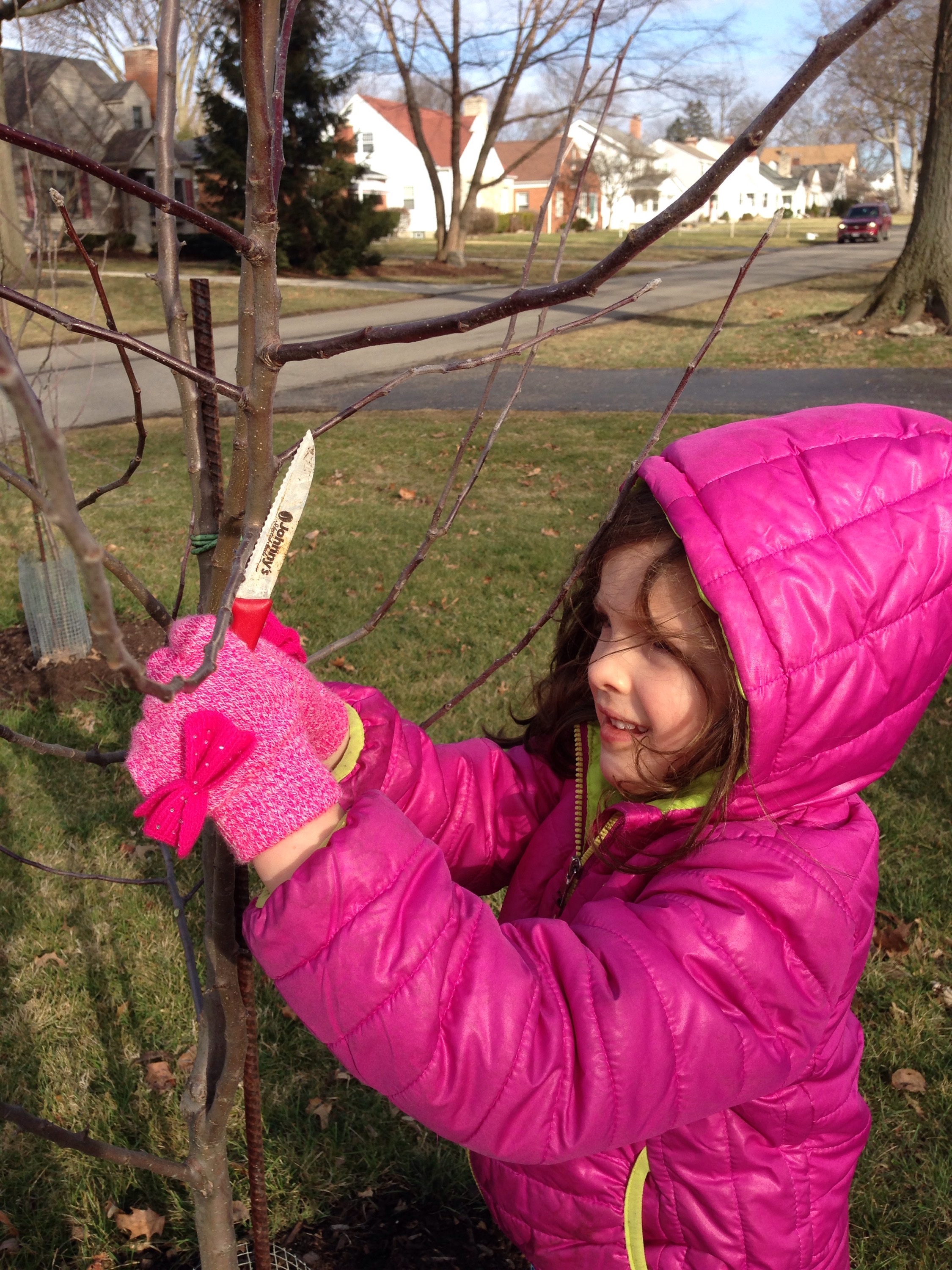
With the help of Ann Ralph and encouragement from Lindsey Norman at Bootstrap Homestead, Cora and I pruned the apple trees today. We had to make some tough decisions about branches I would have otherwise deemed the strongest and most developed. But today I learned how to make “the hardest cut,” a term Ralph uses in reference to lobbing off central branches.

Ralph is a proponent of short, open centered trees which she sees as healthier, more abundant, and easier to harvest. They are easier to net for bird and squirrel protection. And, they are easier to fit into small spaces like ours.

I first read Ralph’s work in Mother Earth News (see “Create Small Fruit Trees with this Pruning Method“) and found her book at the local library after Lindsey suggested it. I would recommend it to a friend. We followed some of her basic pruning advice as well as the section on making corrections in the second year to amend the shape and preliminary scaffolding growth of the trees.

I’m not convinced I did everything right. Maybe Ralph will see this and let me know…

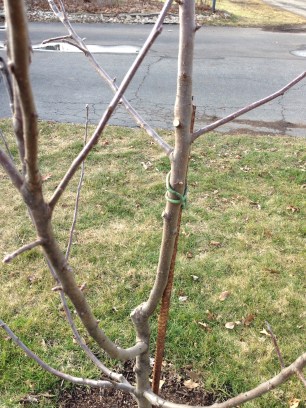
Note the branch going up the center of the frame


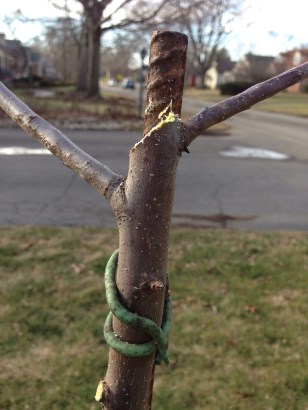
After the hardest cut.

Sacrifice.

Cora, always eager to help especially when sharp tools are involved.


Feels like we cut down just about as many branches as we kept.


Leave a comment

Farm Fresh Start

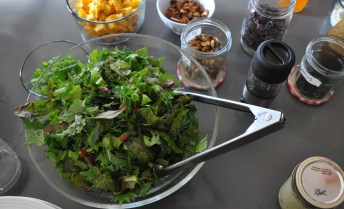
New Year’s is all about fresh starts. For lots of people this means cleaning up what they eat. Following that tradition, Over the Fence held our first winter harvest salad party today.

After a short, finger-numbing time in the field, we shared a quick bite to eat with some of our most intrepid CSA members. We even sent them home with some goodie bags to keep them on the path to a healthy new year. Hope you find ways to be clean and green in twenty-sixteen!

DSC_0374

DSC_0380

DSC_0383

DSC_0384

DSC_0385

DSC_0386


Leave a comment

We GREW Our Own Protein!

DSC_0074My freshman year of college, I heard John Robbins speak about his book Diet for a New America (1987). It was my first  introduction to the impact our food choices have on the planet. I was already a vegetarian, though I can’t remember why. After hearing Robbins and reading his book, however, I could articulate a clear rationale for giving up meat. Robbins cited quantitative comparisons between the amount of resources it takes to grow a vegetarian versus a meat-based diet. For example, 20 herbivores could live off the same amount of land it takes to feed just one carnivore. He argued fewer people would be starving to death if everyone ate less meat. His observations seem all the more relevant today in relation to current discussions about irrigation in California. The idea that one pound of factory-farmed meat requires 2,500 gallons of water to produce makes those one gallon almonds seem downright sustainable.

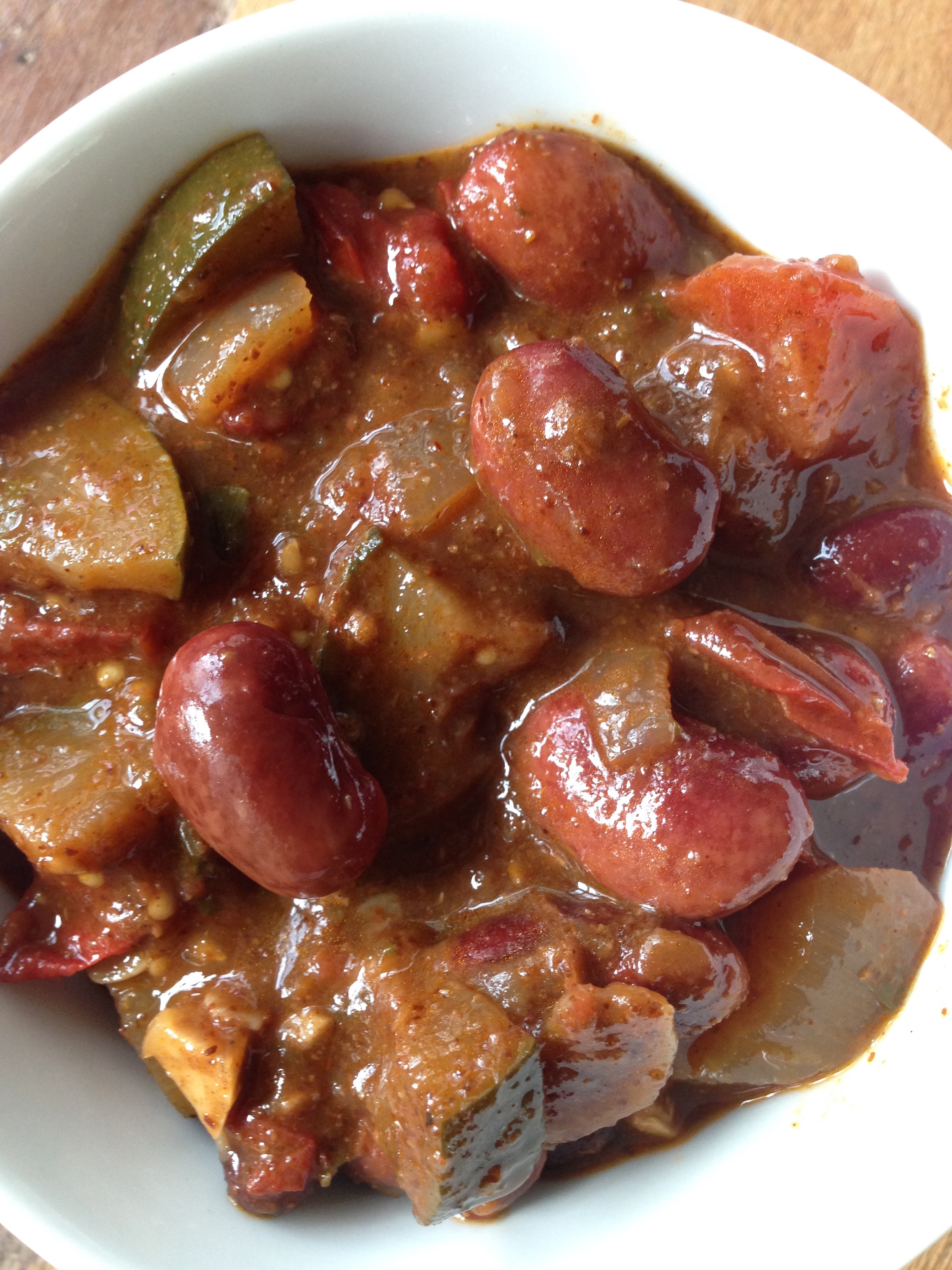
I’ve read countless other arguments for eating a vegetarian diet since that talk. I’ve been inspired by folks who have tried to grow a well-rounded diet including Quarter Acre Farm and Shagbark Seed & Mill in Athens, OH. And so it was with tremendous pride that I cooked a pot of chili tonight using beans we grew ourselves. Beans that were fed purely by rain showers.

IMG_2841Last year our friend and CSA member Pam brought us a packet of Scarlet Runner Bean seeds she’d saved from the previous season. She said they would grow pretty vines with bright red flowers (see top of post) the humming birds would coming flying for.

They did. And when they were gone, we gathered the beans and saved them to plant again this season. While we planted the seed beans all along one fence last year, this year we spread them throughout the garden in keeping with our goal of providing invitations for pollinators throughout the farm. The bees, birds, and beans have benefit.

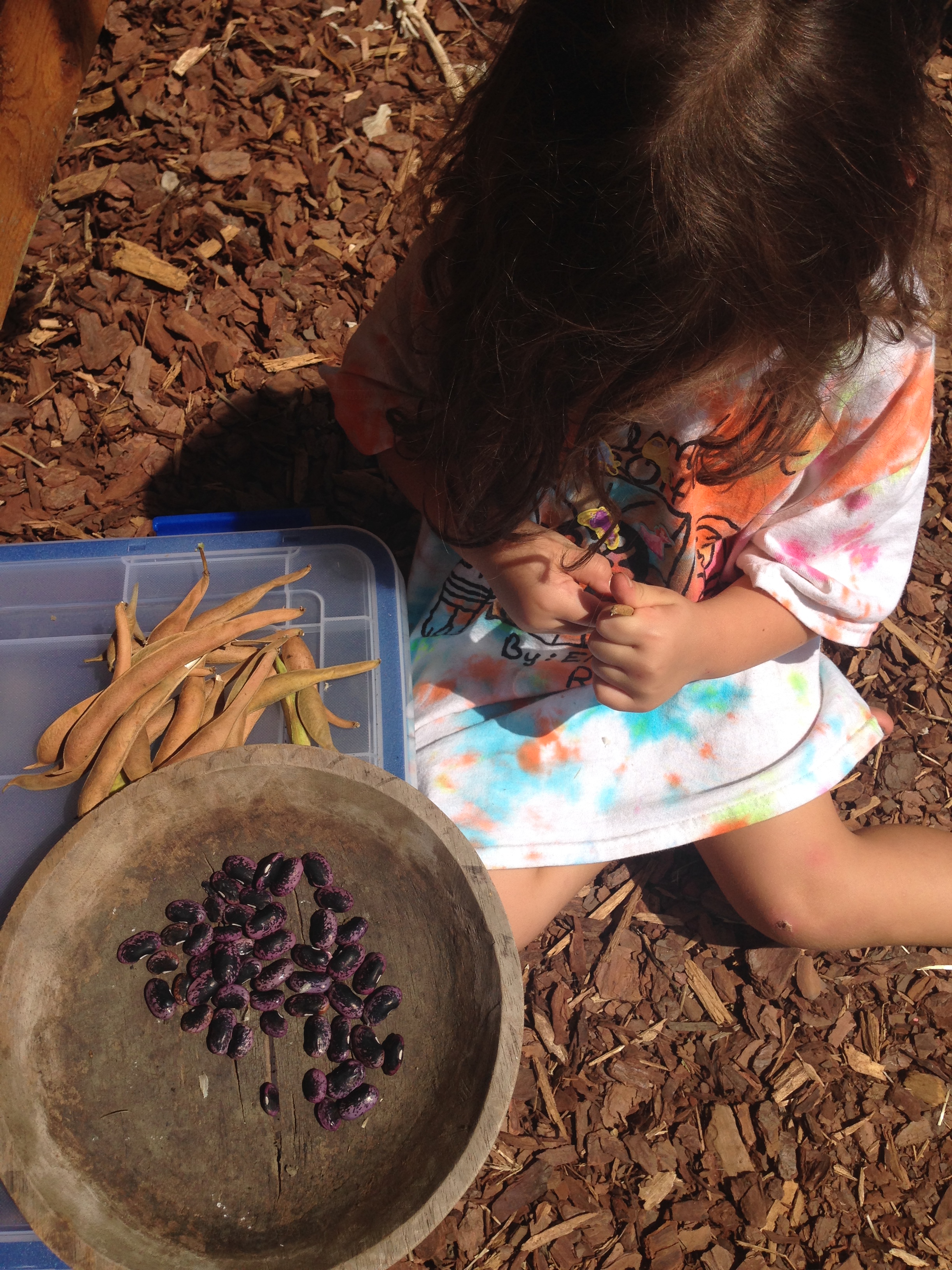
With extra room to roam, the beans are flourishing. Last week Cora shelled a full cup of dried ones that I soaked and cooked to use in the chili in place of kidney beans. See this post from Eat the Weeds and Other Things, Too for more information on harvesting and processing these little gems. We’re looking forward to getting a few more cups this season and sharing seed beans with our supporters next year.
IMG_2686IMG_2692


Leave a comment

I Heart Our CSA!

This afternoon our CSA members turned up and knocked out some seriously good and important work. Here are a few highlights.

Sarah and Emily helped my harvest nearly 40 lbs of new potatoes. Then Melissa helped me replant the row with some quick growing haricot-vert and cilantro.

This slideshow requires JavaScript.

Carrie harvested beans that have already come in.

DSC_0034

Liz and Melissa did some heavy weeding to help prep the old garlic bed for fall crops.

This slideshow requires JavaScript.

Elizabeth pruned basil and Sarah followed behind with fish fertilizer.

DSC_0033

Pam worked her magic on the tomatoes.

DSC_0036

And Andrew checked after the irrigation system.

DSC_0038

Love you guys.