Over the Fence Urban Farm

Cooperatively farming small patches of Earth in Columbus, OH


Leave a comment

2015 Post-Compost Post

I’m tired.

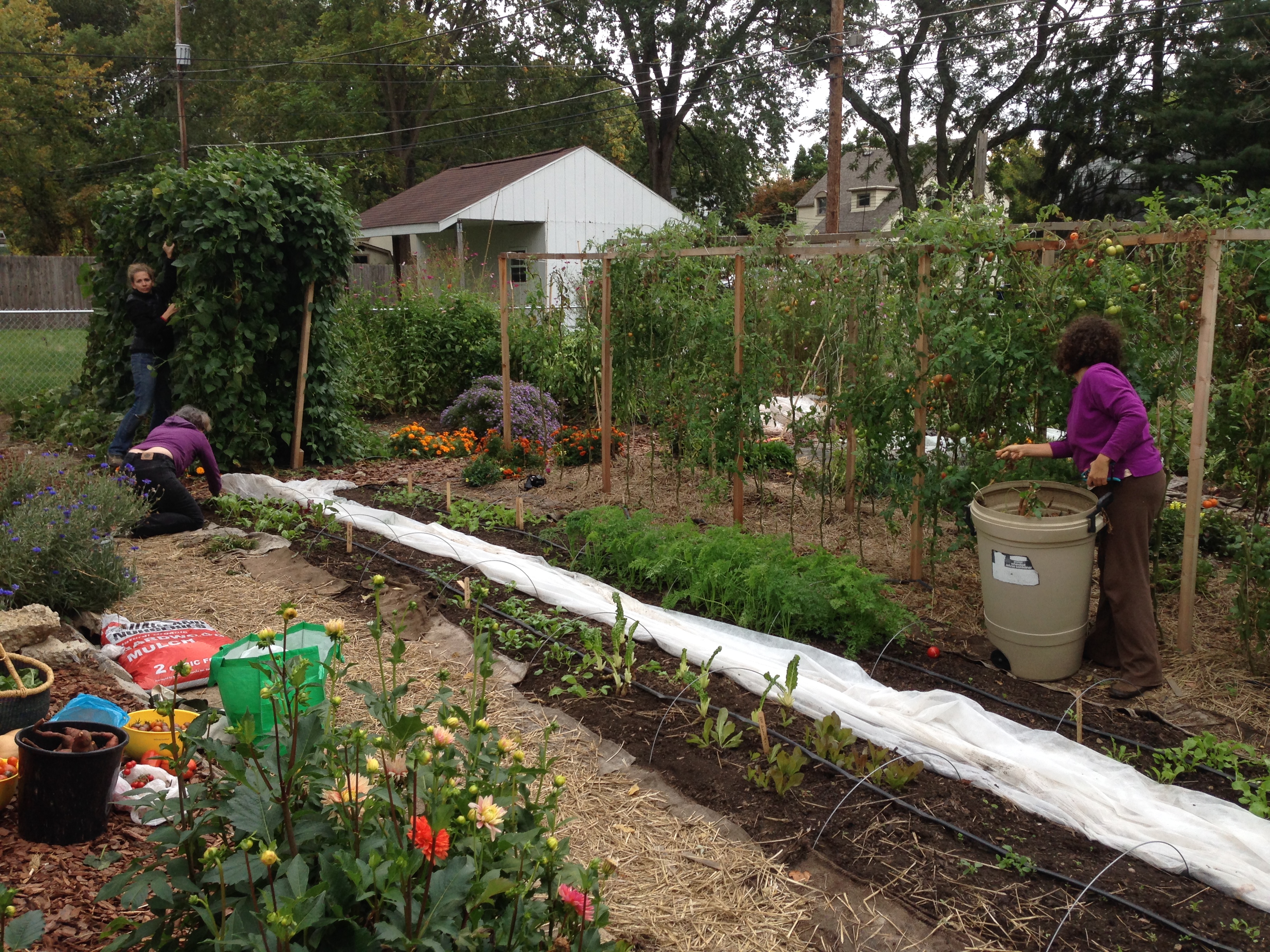
There’s still a pile of compost on the driveway, but it’s less than half the size it was this morning. And it’s only there because I didn’t let folks mulch non-farm related areas. Those feel like personal responsibility. Not because we couldn’t have moved it all in a single day. So, once again, I am amazed by what a small group of people can accomplish when we come together and set our head, heart, and hands to it.

Here are a few highlights from the day.

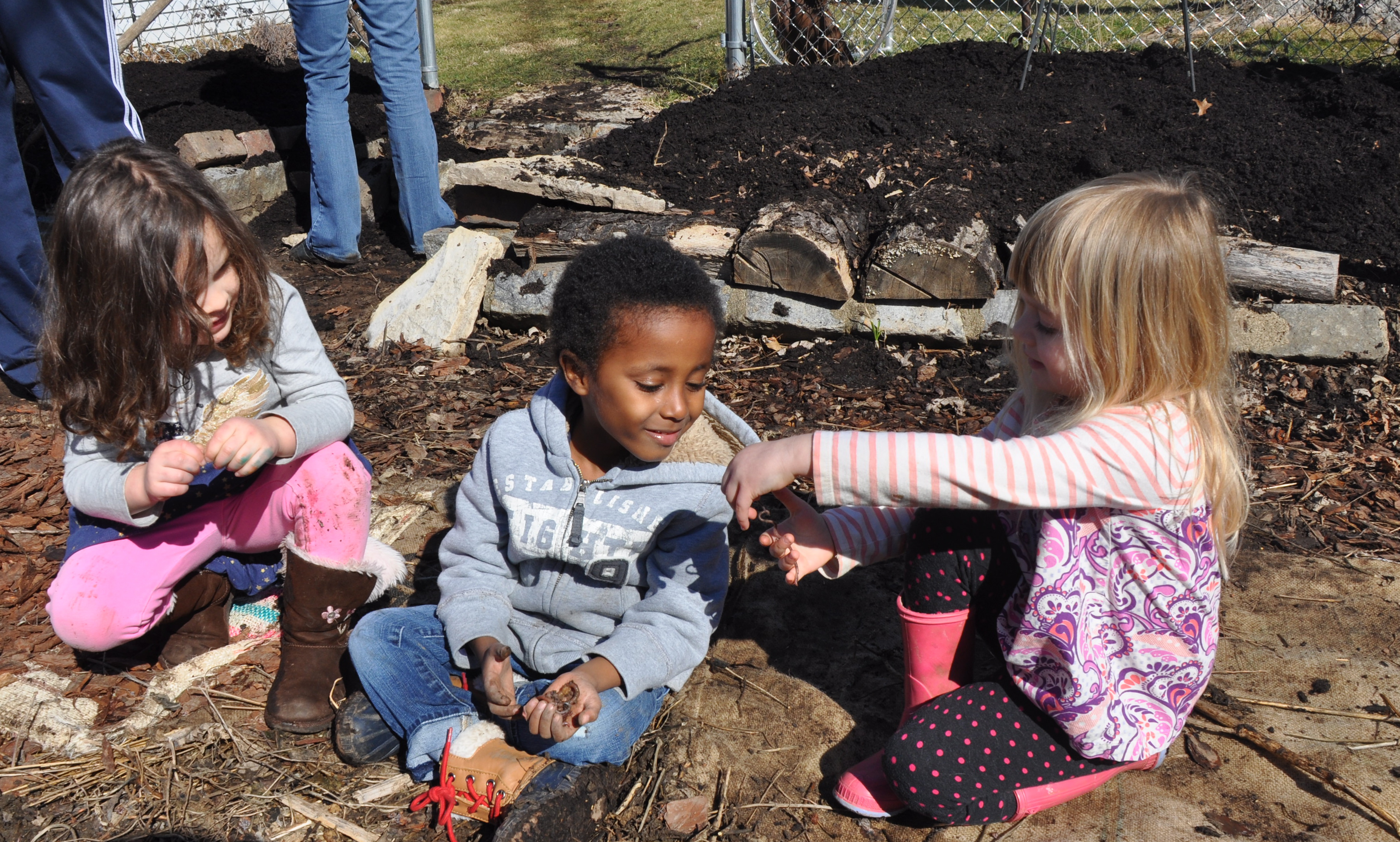
The kids went worm hunting,

DSC_0232

DSC_0255

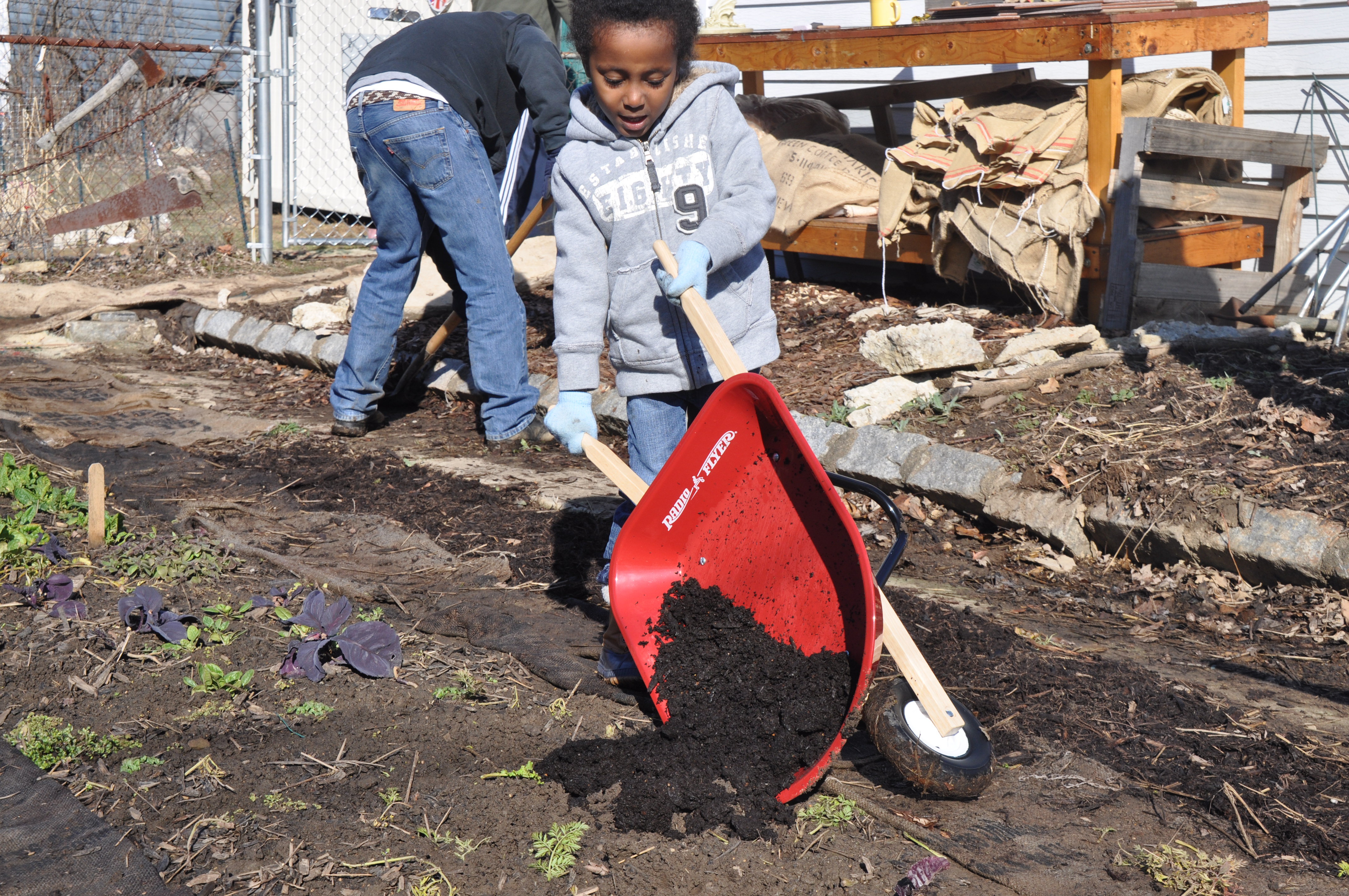
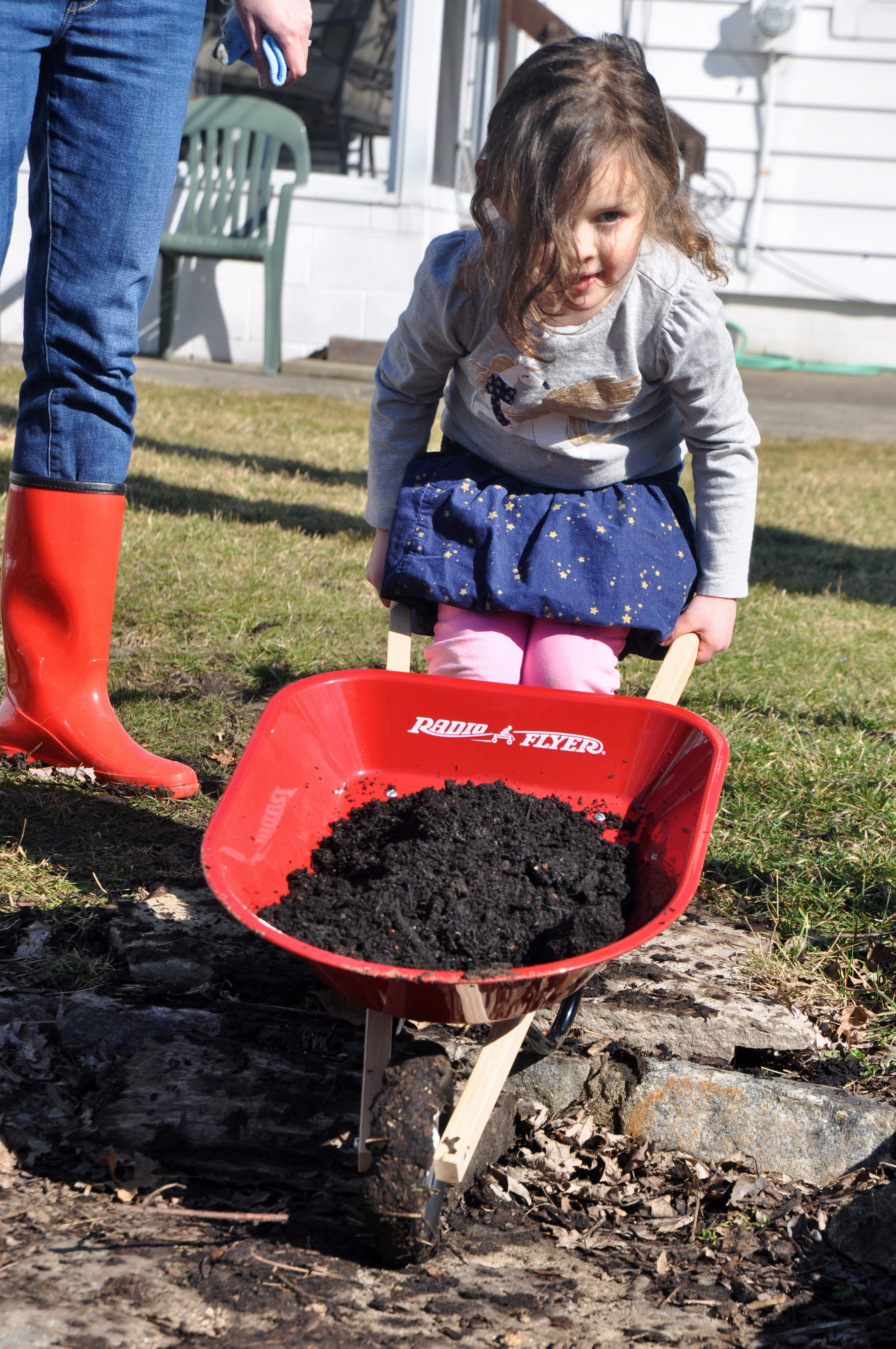
and they took the new wheelbarrow out for a roll.

DSC_0226

DSC_0240

Henry and Marc assembled our new farm toy – the broadfork.
Then Henry, David, and Andrew put it to work.

DSC_0245

DSC_0274

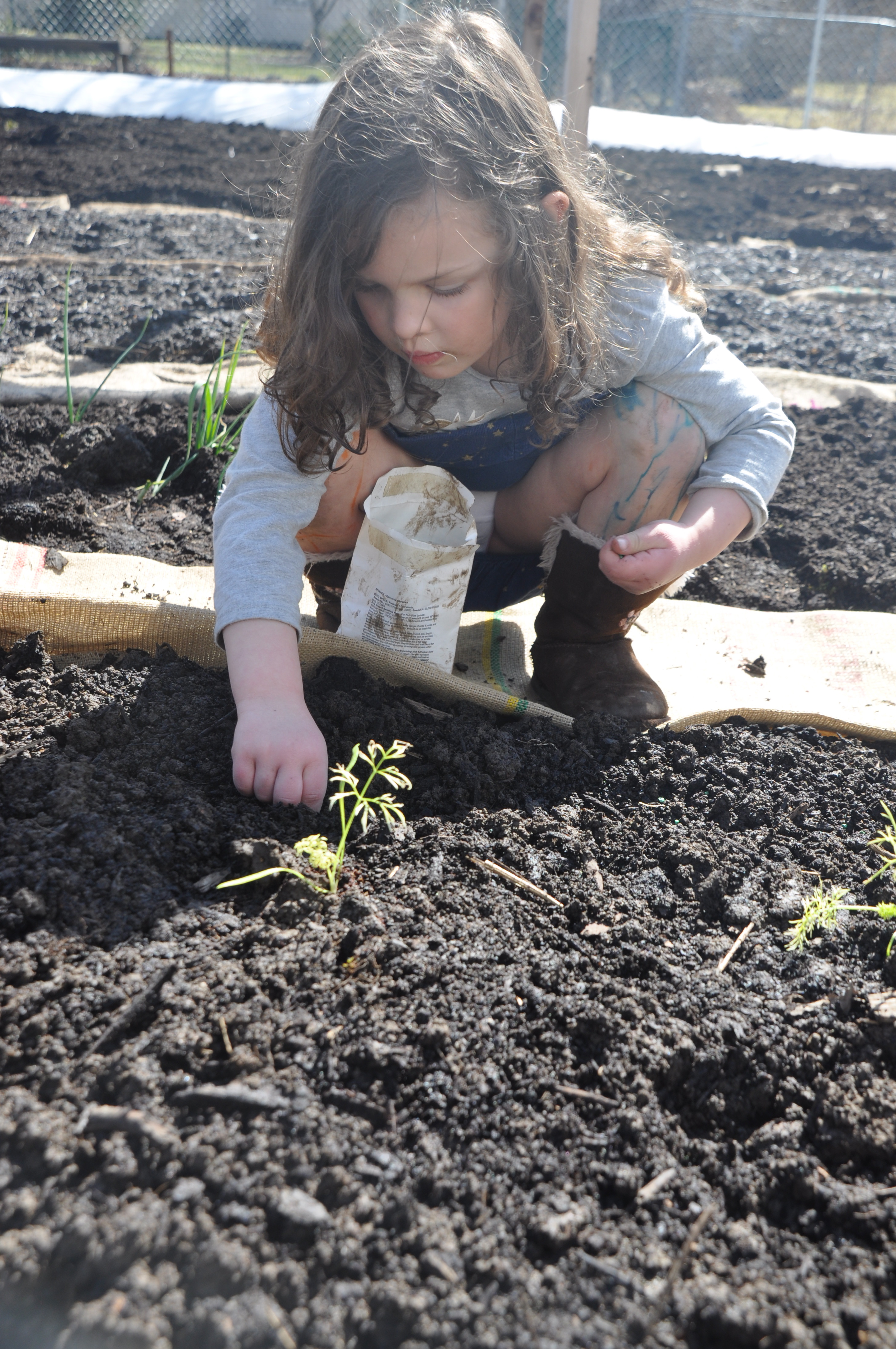
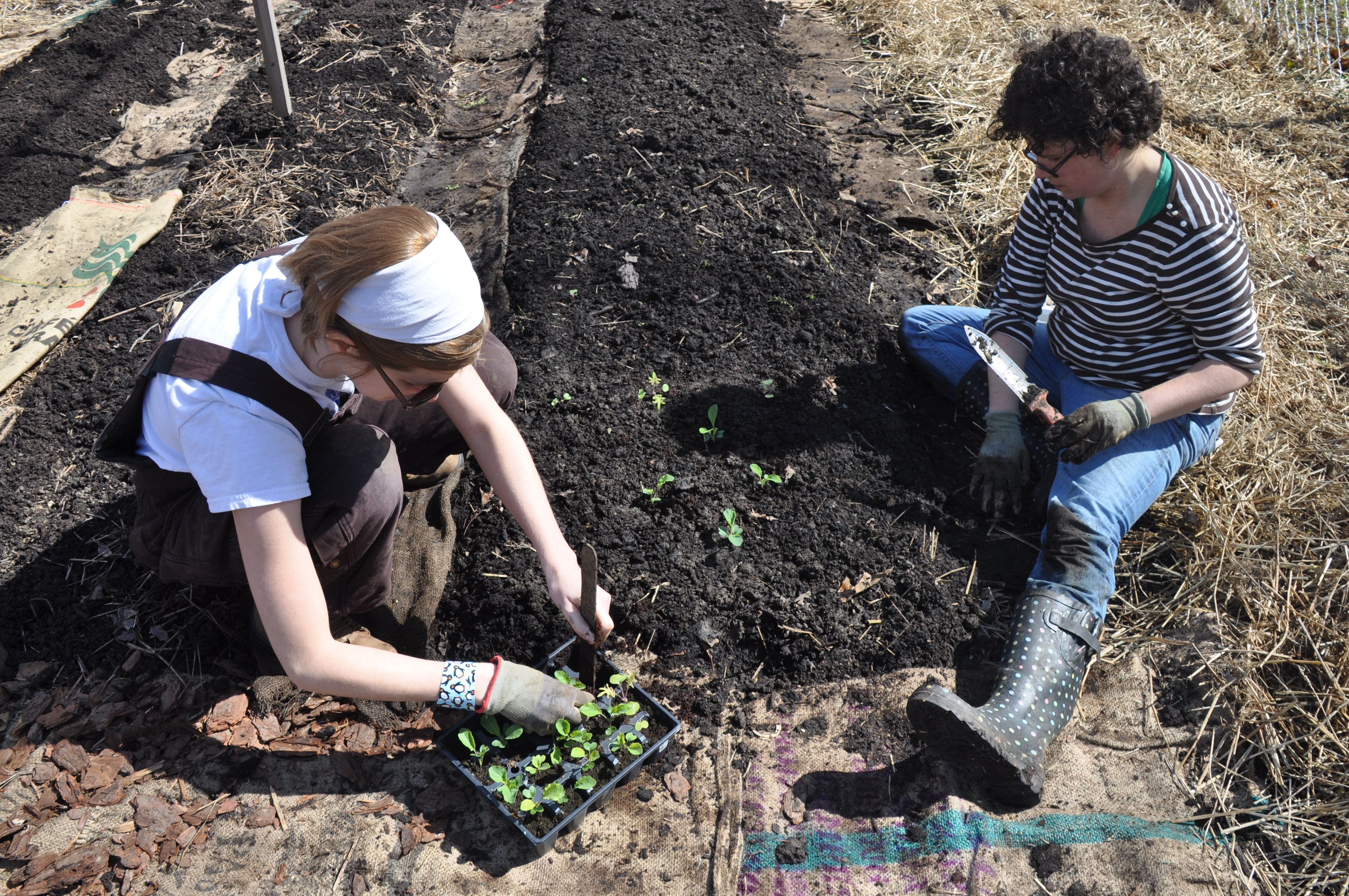
Cora, Melissa, Kate, Pam, Elizabeth, and I planted and transplated – leeks, cabbage, radicchio spinach, radish, kale, chard, peas, and fennel.

DSC_0299

DSC_0265

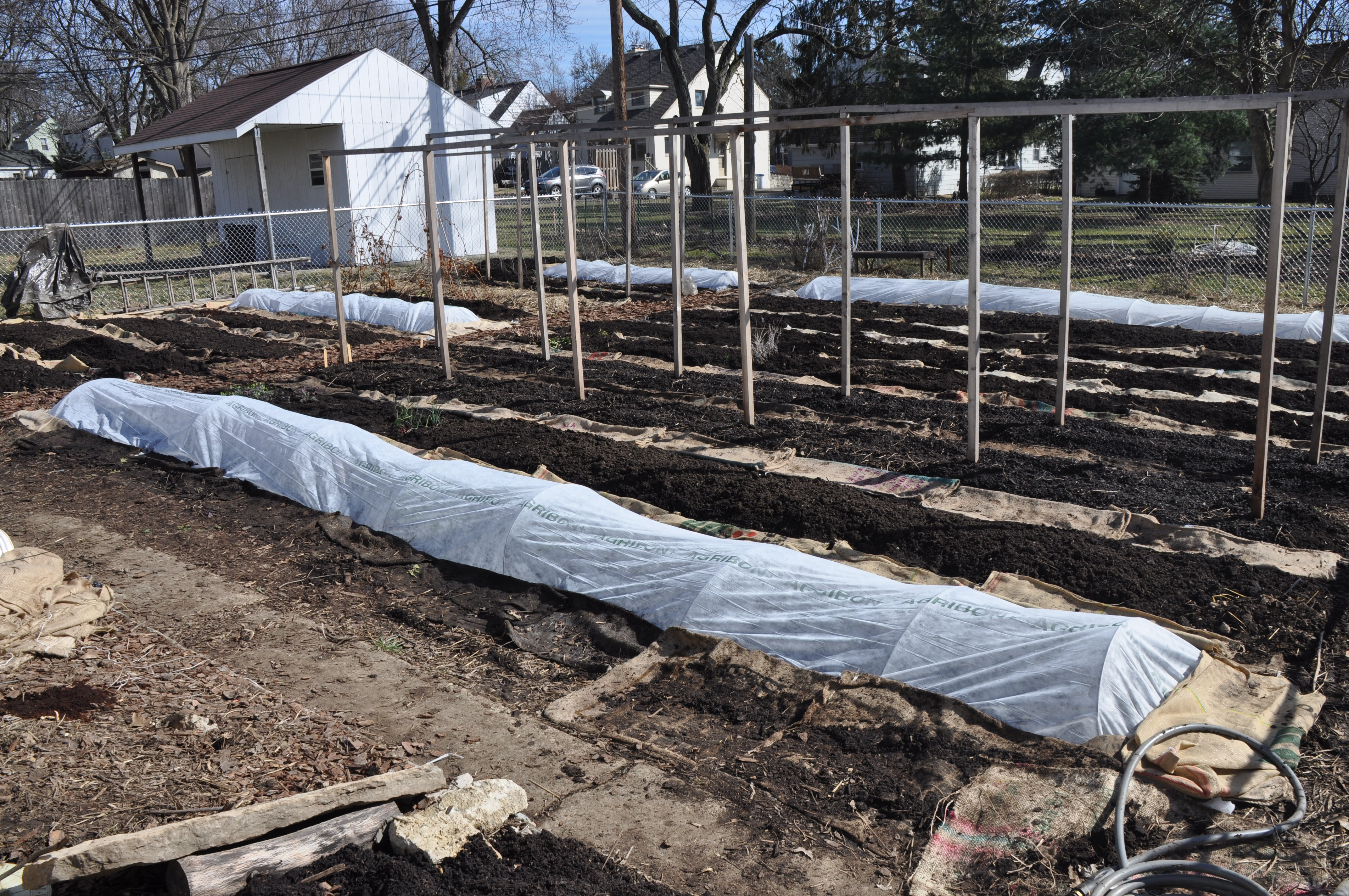
Then Carrie and I put them all to bed under a nice frost blanket.

DSC_0281

DSC_0295

And, of course, we moved about 7 yards of compost! (Go early team that didn’t get caught on film – Jess, Kathy, Damon, Emily, Mark, and Joanna, and Sarah!)

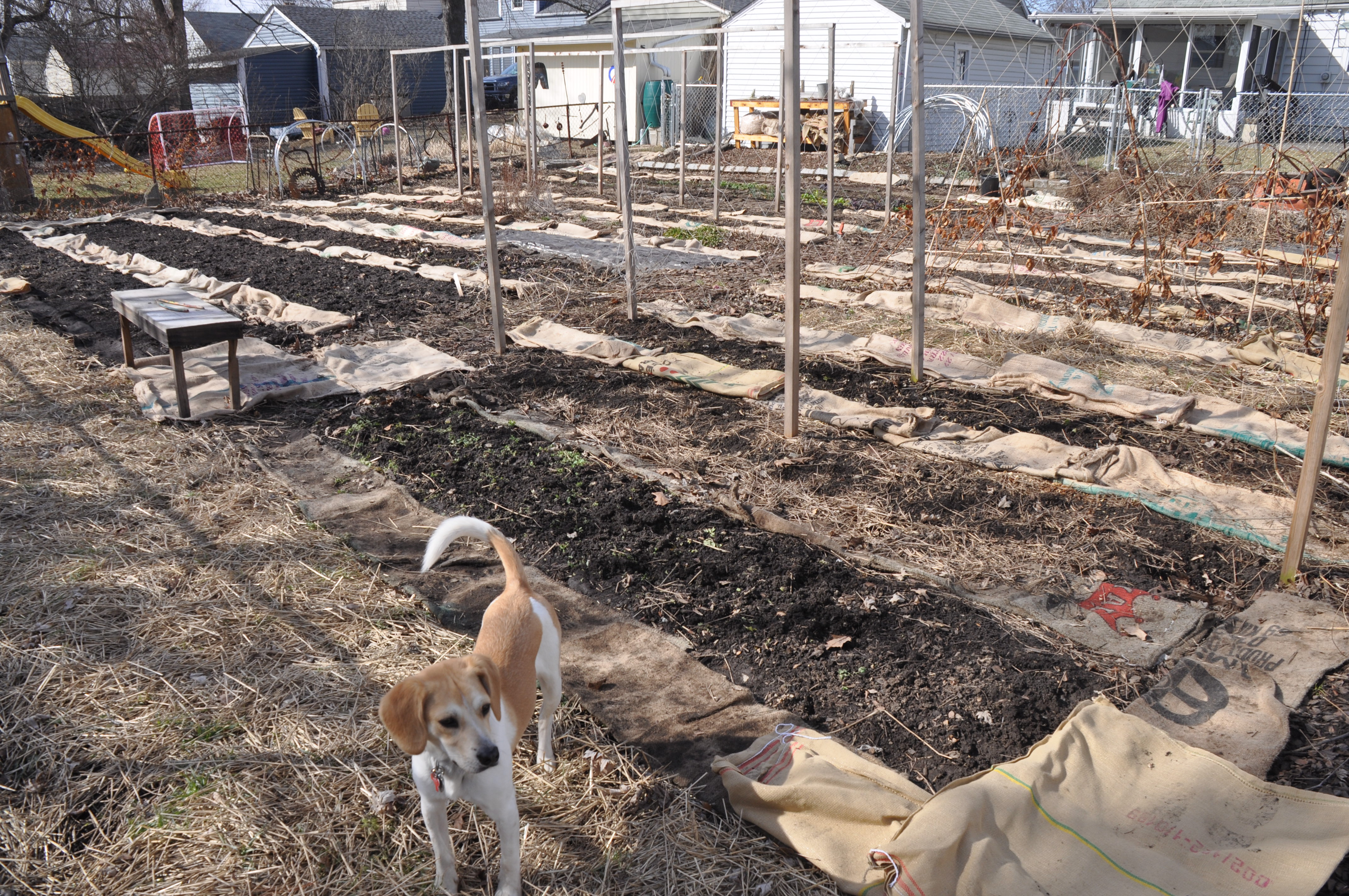
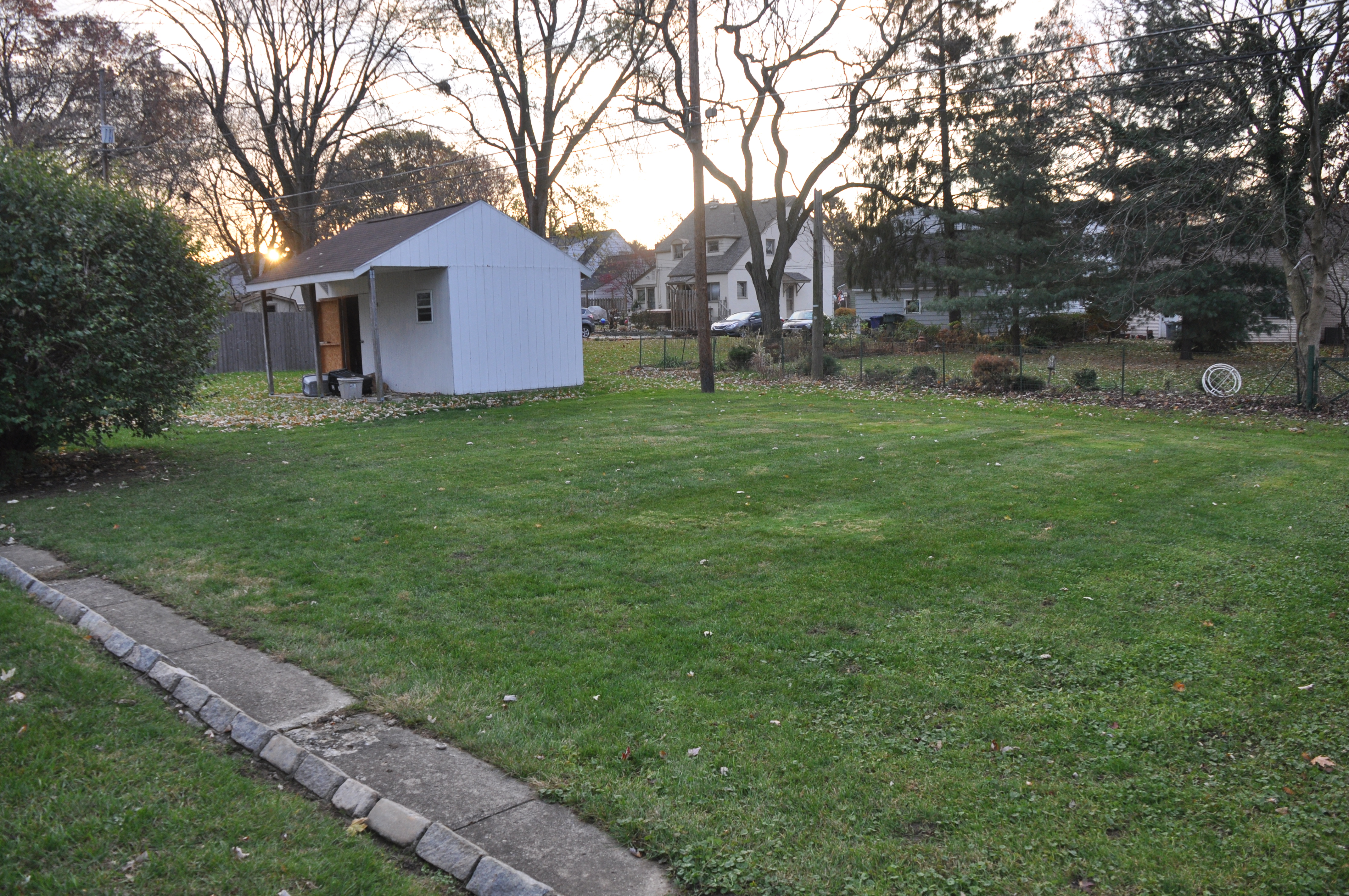
Looking Southeast – Before and After

DSC_0211

DSC_0312

Looking Northwest – Before and After

DSC_0223

DSC_0315

It was a VERY good day.


Leave a comment

It’s Time for the 2015 Compost Mosogi!

Last I posted here, the 2015 Compost Misogi was just a seed. That seed sprouted, took root, and will bloom this Sunday when CSA folks come by throughout the day to help us spread 10 yards of Price Farm Organics Zoo Brew compost all over the farm.

Everytime I talk or write about this, the voice inside my head sounds like a sports announcer, and I’m cool with that. This event has all the makings of a great test of endurance and determination – physical challenge + finite task.

Yesterday I picked up another load of burlap coffee bean sacks from Crimson Cup and laid them out in the paths between our rows. Don’t want folks sinking too deep in the early spring mud we’re sure to have. Sadly, it’s raining as I type, and we’re only 36 hours from the opening bell, but the pile is safely waiting for us under the world’s largest tarp. Thanks, Jenny! Something borrowed and blue for good luck, right?

Here’s the field looking southeast.

DSC_0211

And northwest.

DSC_0223

You can be sure there will be after shots.


Leave a comment

A Peek @ Our Indoor Seeding Operations

IMG_9477There are lots of great things you can grow in your vegetable garden from seed. This is the kind of gardening kids learn about in picturebooks – dig a hole in the ground, put in a seed, add water, and wait. “Direct seeding” in gardening lingo. But there are other things that need more sun and heat to mature than our northern North American climate can offer in a single season. These must be started indoors, in late winter or early spring. Tomatoes, for instance, make up some portion of 85% of kitchen gardens in the U.S. and we’re starting ours this week!

Growing your own seedlings is a rewarding way to get through the final days of winter and save money in the garden. But it’s not for everyone. It’s a lot of work to keep things growing strong, healthy, and on schedule. Plants that mature too early can be hard to acclimate to their outdoor environs. And plants that don’t receive the right amount of light and nutrients may never catch up. Sick seedlings are also more susceptible to disease and pests, neither of which you want hanging around.

So, if you don’t have the time or equipment to give your seedlings a good start, stick with locally grown plants, raised by folks that do. You’ll be supporting your local farmers and ensuring that you’ll have something to harvest when the time comes. Be sure you get organic stock to avoid seedlings raised with neonic insecticides that can be harmful to bees, contaminate your soil, and leave chemical traces in your produce.

Here are three of our top tips for growing your own seedlings:

1) Dedicate space to your endeavor. Be sure it is out of reach of young children and pets. Make it somewhere you don’t mind getting messy. And locate near a water source, if possible. We set up in our basement. It’s grown a bit each of the past few years. We now have a nice sized potting area with space for our DIY heating mat and two large shelves dedicated to growing space. There is a utility sink a few feet away in the laundry area. Nothing fancy, but it gets the job done.

DSC_0209                              DSC_0245

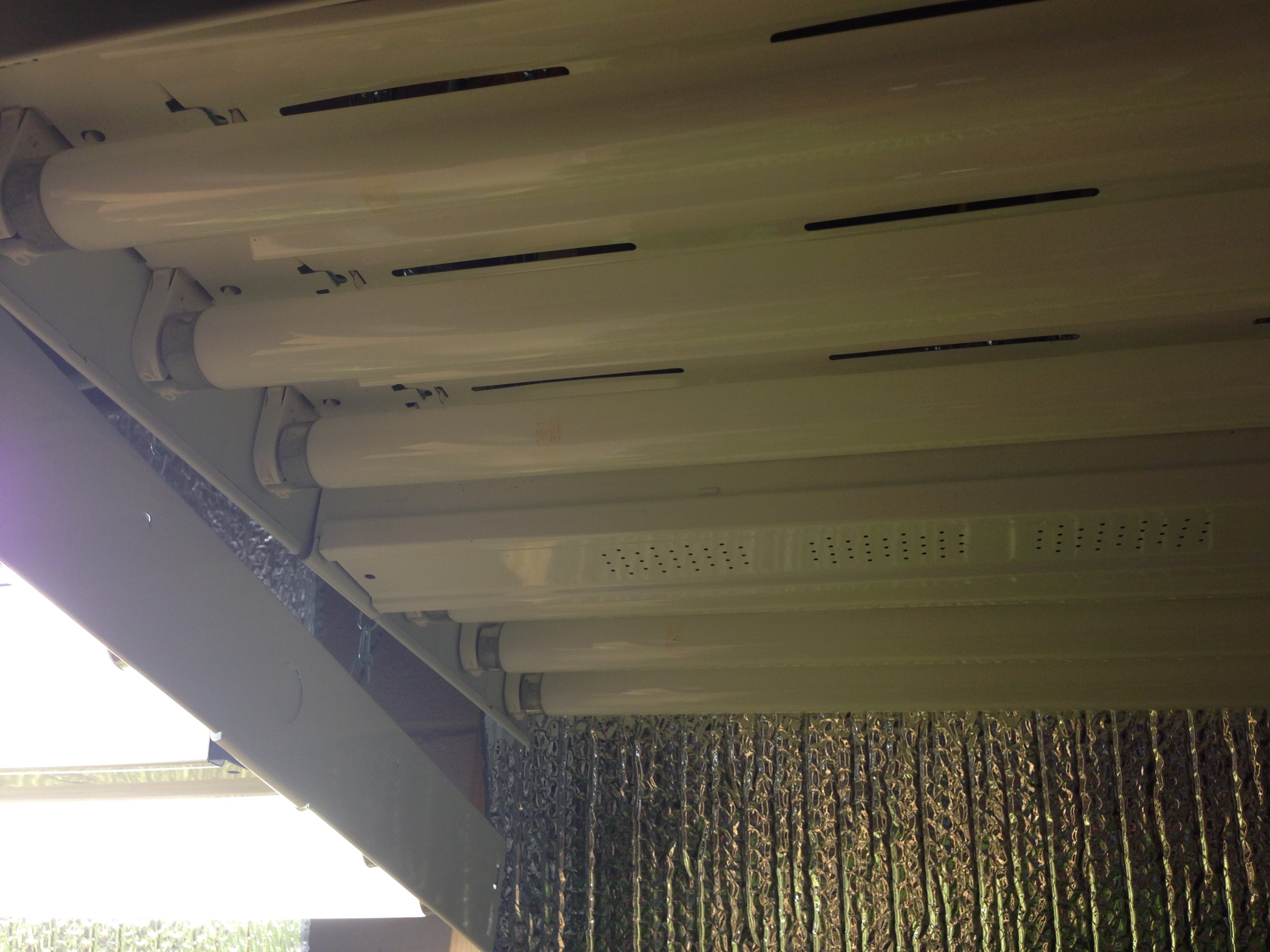
2) Invest in grow lights. We didn’t have them when I first started seeds inside, but they are a must if you are really trying to do this right. (And, to reiterate my point above, if that isn’t your plan, I’d leave it to the experts.) We got our lamps from a commercial supplier that Dan knows through work. They are super efficient, T12, four-ft. flourescent bulbs, 6 bulbs per unit. When we first started using them I was terrified to see the electric bills, but they didn’t change at all! Goal for 2015-2016 is to always have something growing under there, winter, spring, summer, and fall to increase our yield (indoors as well as out) as much as possible!

IMG_9465


3) Know before you sow. I used to start my seedlings in potting soil. Seemed to make sense since the plants were in pots. But last year when we started this venture, I headed to one of the hydroponics shops in our neighborhood for some education on indoor growing, under lights. Mike taught me about coir – or coconut fiber which provides a light, neutral medium for seedlings to grow in. Since the coir doesn’t have much nutrition to offer, he also recommended some food – Nectar of the Gods’ Gaia Mania. (The coir is probably the least sustainable part of our operation as it’s sourced from Sri Lanka and produced in Holland, but I have tried other brands and this one really is amazing. Your recommendations for alternatives most welcome.)

The nutrients are not important for germination, but as soon as I see sprouts I start feeding them once a week. I generally broadcast seed a bunch of seeds in a single container and then transplant them to their own individual containers. Just like when transplanting in the field, when I move plants to their new spaces, I give them a healthy snack.

This slideshow requires JavaScript.

Hope to be reporting from the fields soon!


3 Comments

Farming. My Misogi?

“We’ve evolved with a desire to challenge ourselves…How can you reach the edge of your potential without risking failure?”

Marcus Elliott
(Harvard-trained sports scientist who enjoys all-night jogs)

DSC_0085Before.

I came across this quotation at the gym the other day in Outside. It was part of an article about Atlanta Hawks’ 3-point shooter Kyle Korver and his friends’ annual misogi events. Misogi is an ancient Japanese concept with many interpretations. They all suggest some form of personal challenge that leaves the practitioner cleansed and refocused. This year Korver and his gang completed an underwater 5K relay carrying 60+ ad 80+lb rocks. (Insane, I know. Read the article for all the details.) I’m not sure how Japanese adherents to the more customary interpretations would feel about this, but that’s a topic for another blogger.

I’m an exercise addict, but I’m only physically competitive with myself. This seems to underline lots of Outside content. As I was reading about Korver, etal’s endeavors, I found my mind wandering to the farm. This time a year ago, I was planning for Over the Fence for the first time. I really had no idea what I was in for, but I approached my tasks with discipline and intention. By the end of the season I was so proud of what I had accomplished, including leading a group of folks to help me ensure that all these things got done!

Another of Korver’s mates said of completing a misogi “It’s this W—a win—you have in your back pocket. That can translate to somewhere else. You can say: ‘I have no idea what I’m doing now, but I know I did this crazy thing over here.’ ”

This has been an incredibly challenging year for our family in many, many ways. I’m sure that the success I found on the farm gave me energy to address responsibilities in other areas of my life. Perhaps it’s time to formalize my Spring 2015 goal of spreading our compost in a single day. Let’s make that the Over the Fence misogi. Rain or shine? It’s compost time! (Well, probably not in the rain, but you get my meaning.) Let’s do this.

(Date TBA).

IMG_7909After.


Leave a comment

Winter Carrots

Eliot Coleman and Barbara Damrosch write a lot about winter carrots. Before last year I NEVER had any luck growing carrots so when I first read his descriptions, I was just plain jealous. And hopeless. Would I have to drive to his farm in Maine for the experience of eating a winter carrot harvest?

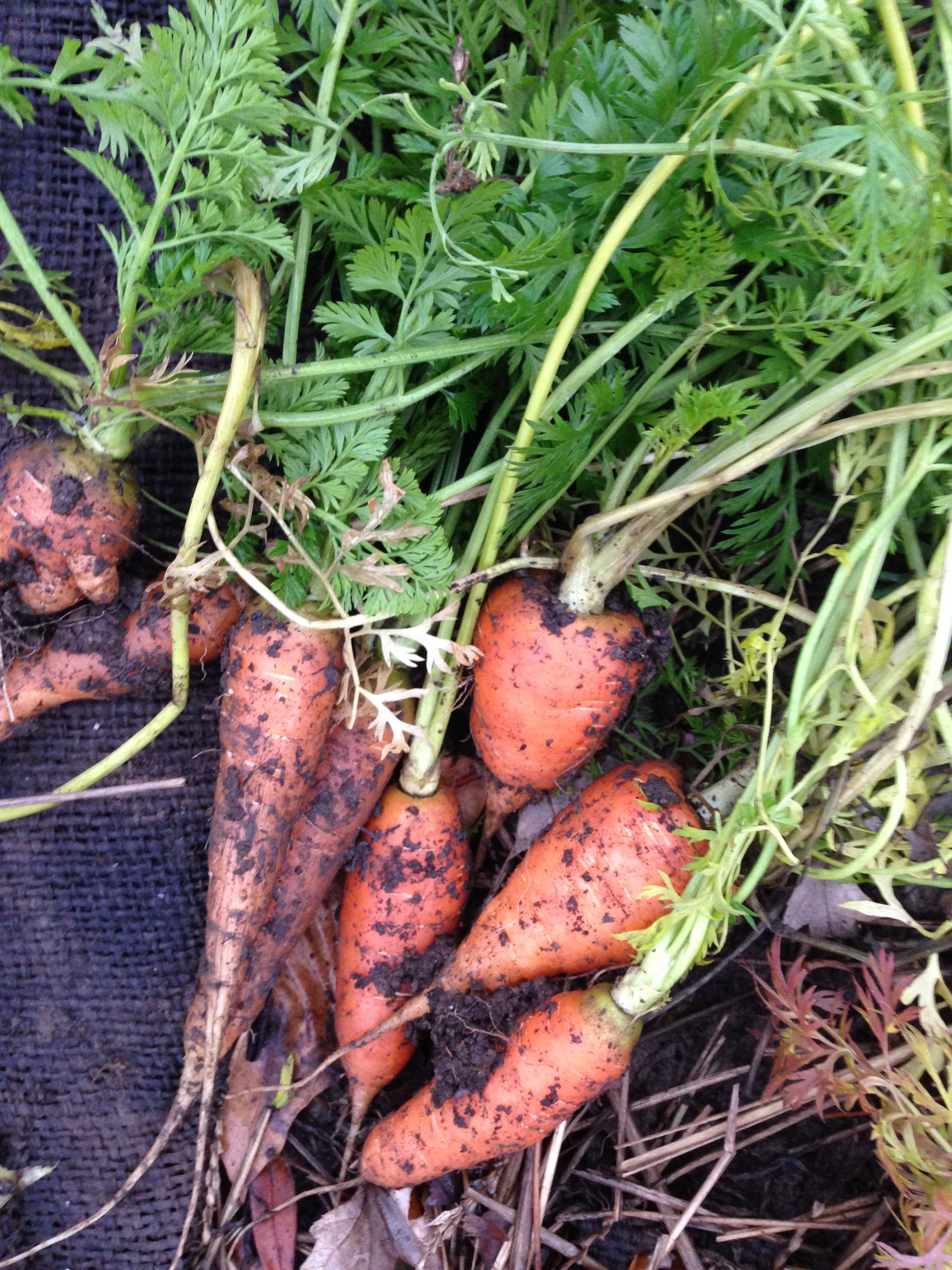
This summer we grew a good crop of carrots. They weren’t all perfect (see our post on Fruita Feia), but we kept on trying. Planting carrot seed late into the summer and early fall as summer beds died off. And I’m so glad we did! After a few hard frosts, I  can honestly say I have eaten the BEST carrots of my life. Extra sweet and super crispy. Like NOTHING you’ll find in the store.

Next year I hope to have a continuous supply.


Leave a comment

Eating From the Garden, All Year Round

We haven’t been posting much lately, but that doesn’t mean we haven’t been busy. While there isn’t much to do outside, these cold dark days beckon us to the kitchen to bake cookies and simmer soups.

Here are a few of our favorite things.

IMG_8718

Baked sweet potato fries with bulgar salad featuring our mustard greens and delicata squash. (12/23)

DSC_0057

Cream of butternut squash soup with roasted radicchio. (12/14)

IMG_8630

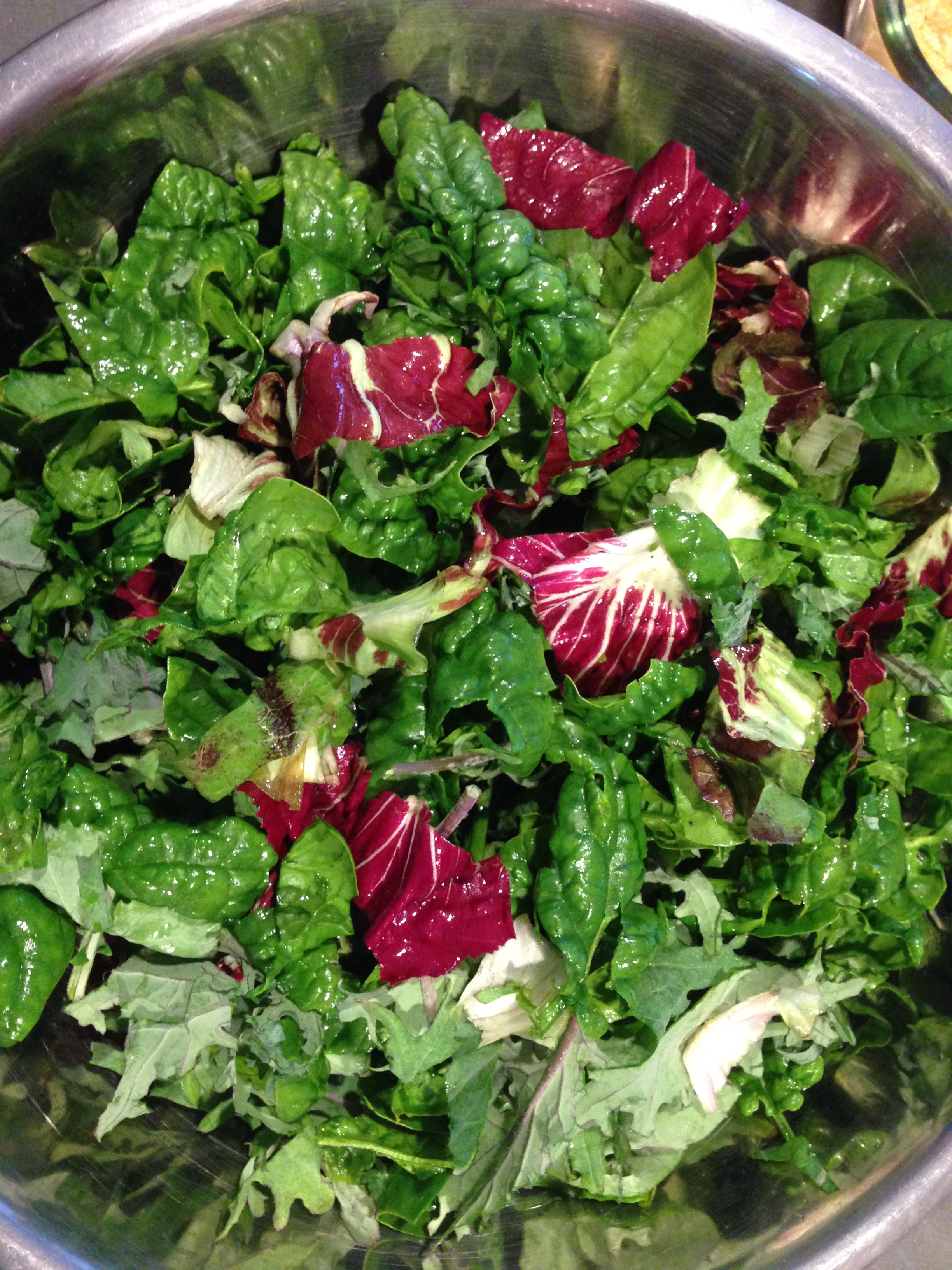
Foundation for a salad we brought to a holiday potluck – spinach, radicchio, and kale. (12/6)

DSC_0065

When we harvested the garlic scapes in July, we made a few pounds of compound butter, some of which we froze with the holidays in mind. (I don’t know how to take a great picture of butter, but these biscuits from Christmas dinner made a great vehicle for eating ours.)

Hoping to continue eating from our own backyard and basement as much as possible in 2015!


Leave a comment

Winter Harvest Report

Officially, it’s only been winter for 8 days, but it’s felt like winter around here for at least a month.

We last reported from the field November 11th, seven weeks ago, which is a pretty long time in the life of a plant. Especially at this time of year with overnight highs as low as 10 and as high as 50.

So, what does it look like out there now?

IMG_8727

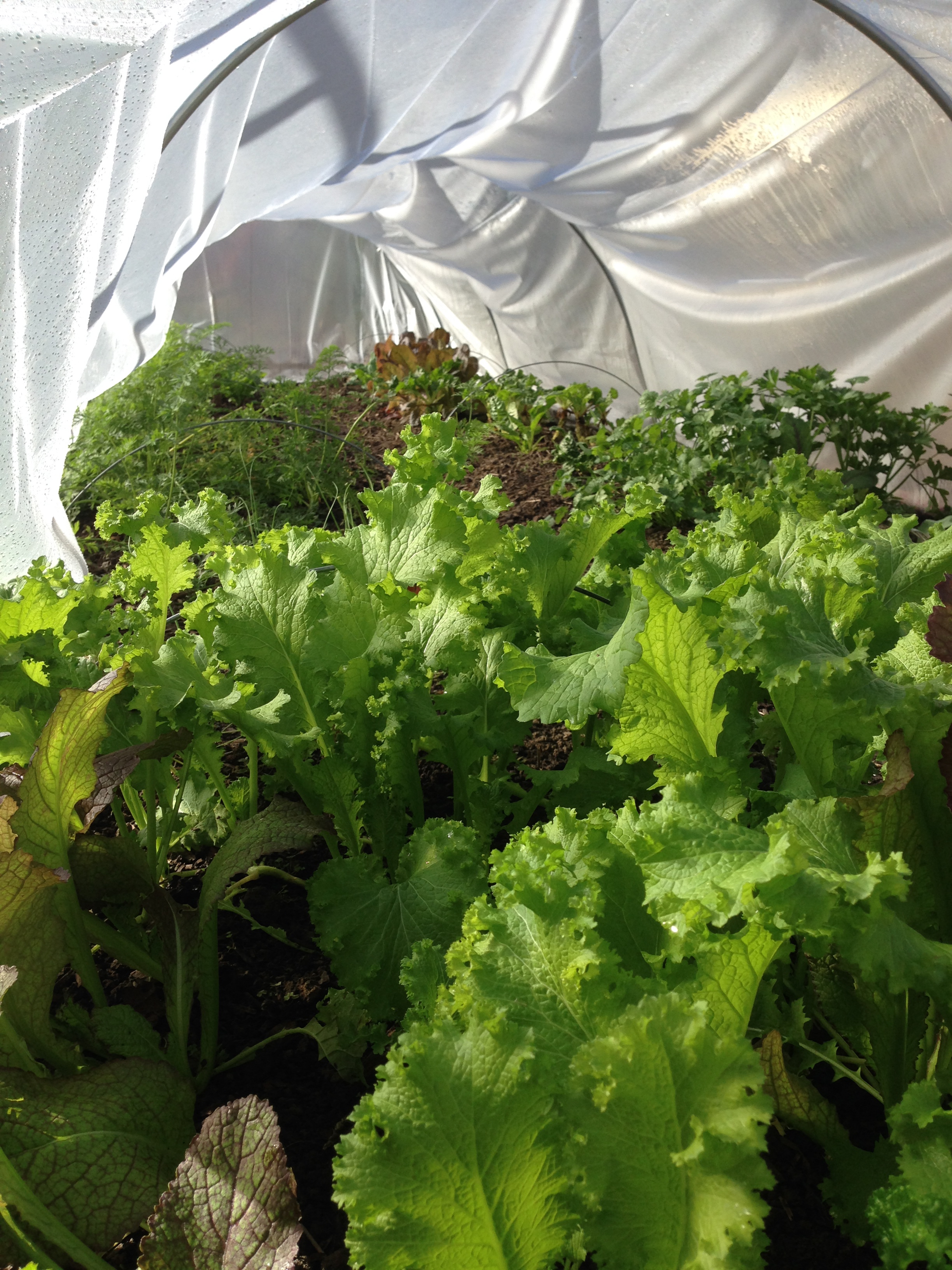
Pretty brown from a distance. But up close, and under that plastic caterpillar, also known as a “low tunnel”. . .

IMG_8742

It’s wet, warm, and things are still growing. This must be what it feels like inside a terrarium. We haven’t watered since September.

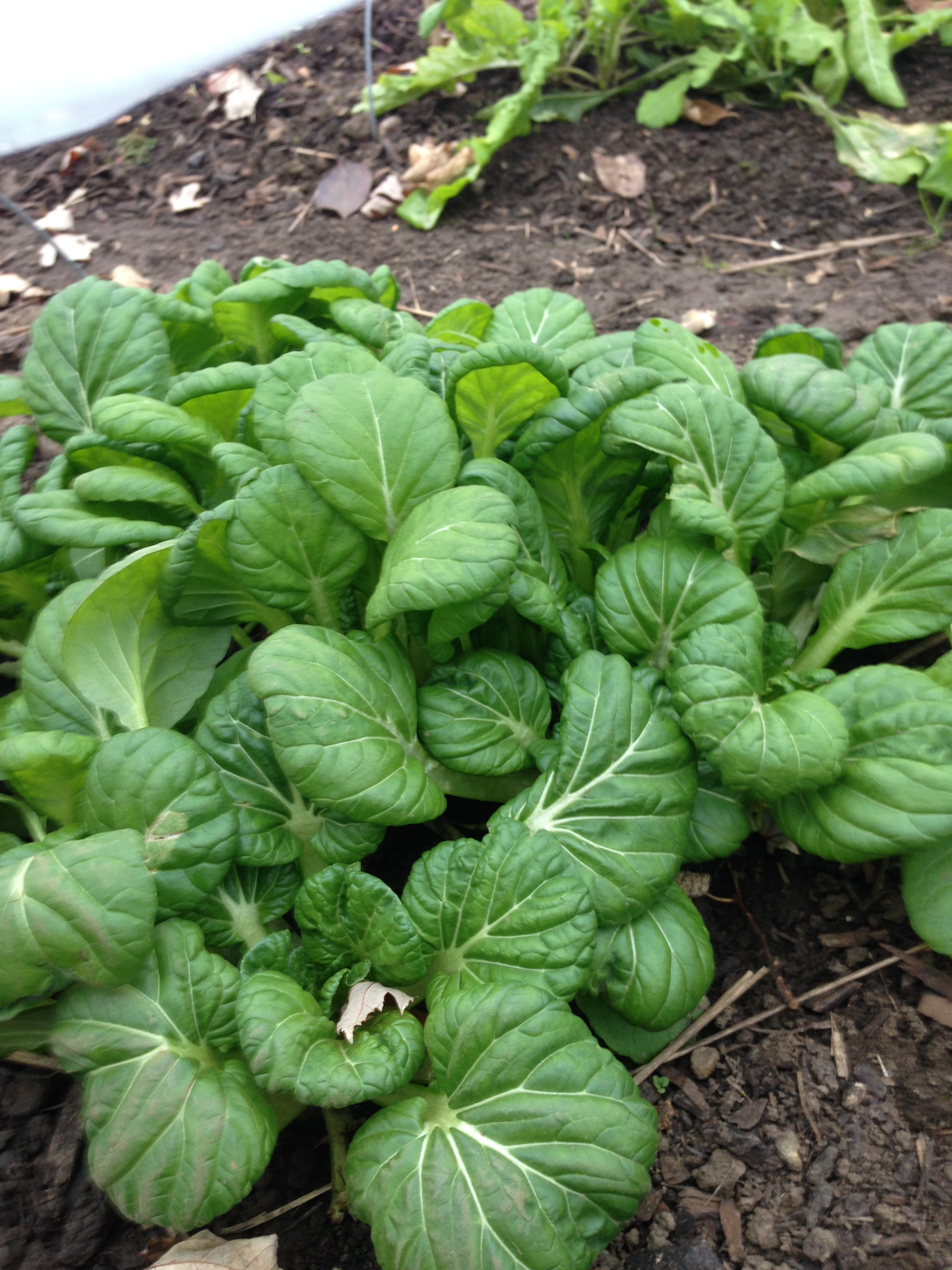
The arugula and chard have died back, the spinach has slowed to nearly nothing, the kale, mustard, scallions are slow and small but still producing. The tatsoi is still remarkably happy and wins, hands down, the prize for best cold climate producer.

IMG_8579

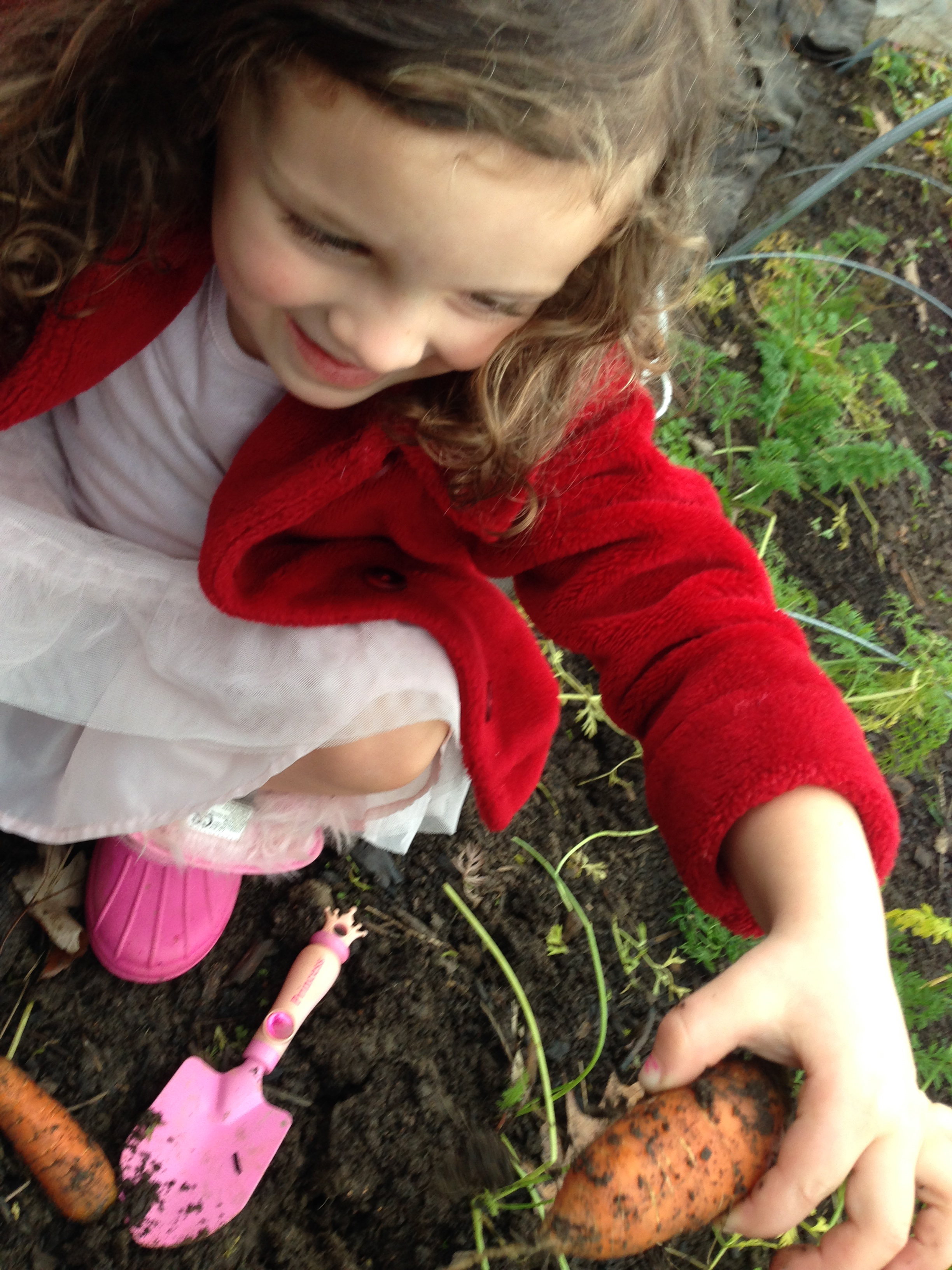
The  carrots are sweet, crisp, and beautiful. Cora and I dug some up for Christmas dinner. (I used the most crooked fruta feia we found to make a soufflé – saving the long slender roots for raw snacking – and it was delicious.)

IMG_8736 IMG_8714

One really incredible surprise has been the herbs. Oregano and parsley are still doing well, and cilantro is still standing if looking a bit puckered.

IMG_8749

It’s about time to get planning for the 2015 season in earnest. These experimental beds will certainly play a role.


Leave a comment

Farm House

DSC_0994

After a full year of renovations, we no longer have any tools or paint brushes stationed in the farm house, or what we have affectionately referred to for so long as “Louise’s House” after our former neighbor. Those who’ve read about our history (see Our Roots) know we bought the house next door in a land grab deal so we could get the farm up and running. At least that’s part of the story. The house is quickly becoming “Grandma’s House” since Dan’s mother and father moved there in late-September.

When we were first imagined tenants for the farm house, we thought we might find a young couple interested in sustainable agriculture. Some graduate students from Ohio State, perhaps. Folks who might trade work on the farm for a CSA share. While she isn’t the urban hipster we imagined, Dan’s mom is an avid gardener and has deep connections with this place (again, see Our Roots). She owns an investment property, so she understands what it means to be a landlord and she treats things with respect. Having her and Dan’s dad next door is great for the kids and we’re looking forward to celebrating the seasons with them.

Here are a few before and after shots of the house. We’re thrilled to be finished so we devote more of our leisure time to family, and farming.

This slideshow requires JavaScript.

This slideshow requires JavaScript.

This slideshow requires JavaScript.

And a nice spot out back to watch things grow...

And a nice spot out back to watch things grow…


3 Comments

Update from Our Fall Laboratory

One of our goals at Over the Fence is to find ways to produce fresh food throughout the year. To this end, we consulted the first name in North American season extension, Eliot Coleman. After traveling to Europe to research year-round crop production and conducting experiments on his own land in Maine, he developed a variety of techniques for covering crops, overwintering seedbeds, and winter harvesting. Anytime you speak with someone who is trying harness Mother Nature’s more subtle powers, you’re likely to hear his name. We’d love to visit his aptly named Four Season Farm. Someday… In the meantime, we’ve seem some of his ideas in action around Columbus at Swainway Urban Farm, Harmonious Homestead, and Peace, Love, and Freedom Farm.

After reading as much of Coleman as we could get our hands on, we purchased 20 – 10 foot lengths of 1/2″ EMT and borrowed a bending tool to make our first low tunnel hoops last winter. You can read about that process here. We experimented with them a bit in the spring for an early harvest, but didn’t have much luck. We needed to start earlier, producing a fall garden that could evolve over-winter. This year we were ready.

In late August, we got a variety of cold-hardy seeds into the ground and sprouting – kale, arugula, swiss chard, spinach, scallions, beets, carrots, tatsoi, and a variety of mustards. We tried corn salad, or mache, a Coleman favorite for winter harvest but after two rounds of planting saw no germination and gave up. For now. By September we had two full rows of greens going just as strong as we had in the spring. We’re eating from them everyday, occasionally sharing with CSA friends though at this point we are selfishly relishing the fruits of our experiment.

IMG_8253

A mid-Octover harvest.

Last week, in anticipation of our first overnight frost, we covered the beds with our low tunnel hoops and 6-mil greenhouse plastic. The plastic is secured with clamps and, for the time being, held down on the ground with burlap coffee sacks. Something a bit heavier will likely be in order as it gets colder and windier.

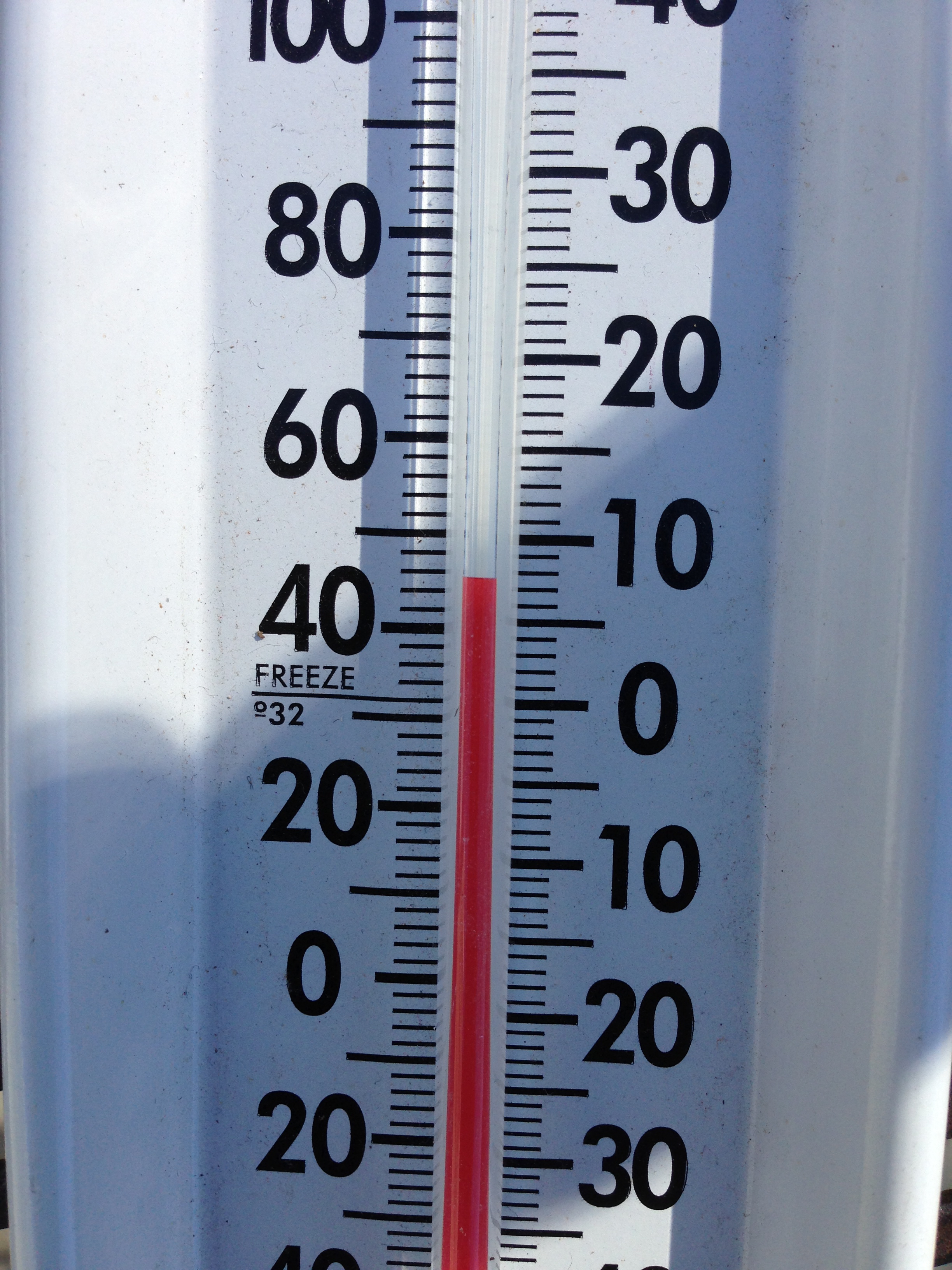
A corner of the tunnel. Note the moisture dripping down the sides!

A corner of the tunnel. Note the moisture dripping down the sides!

IMG_8271

Outside

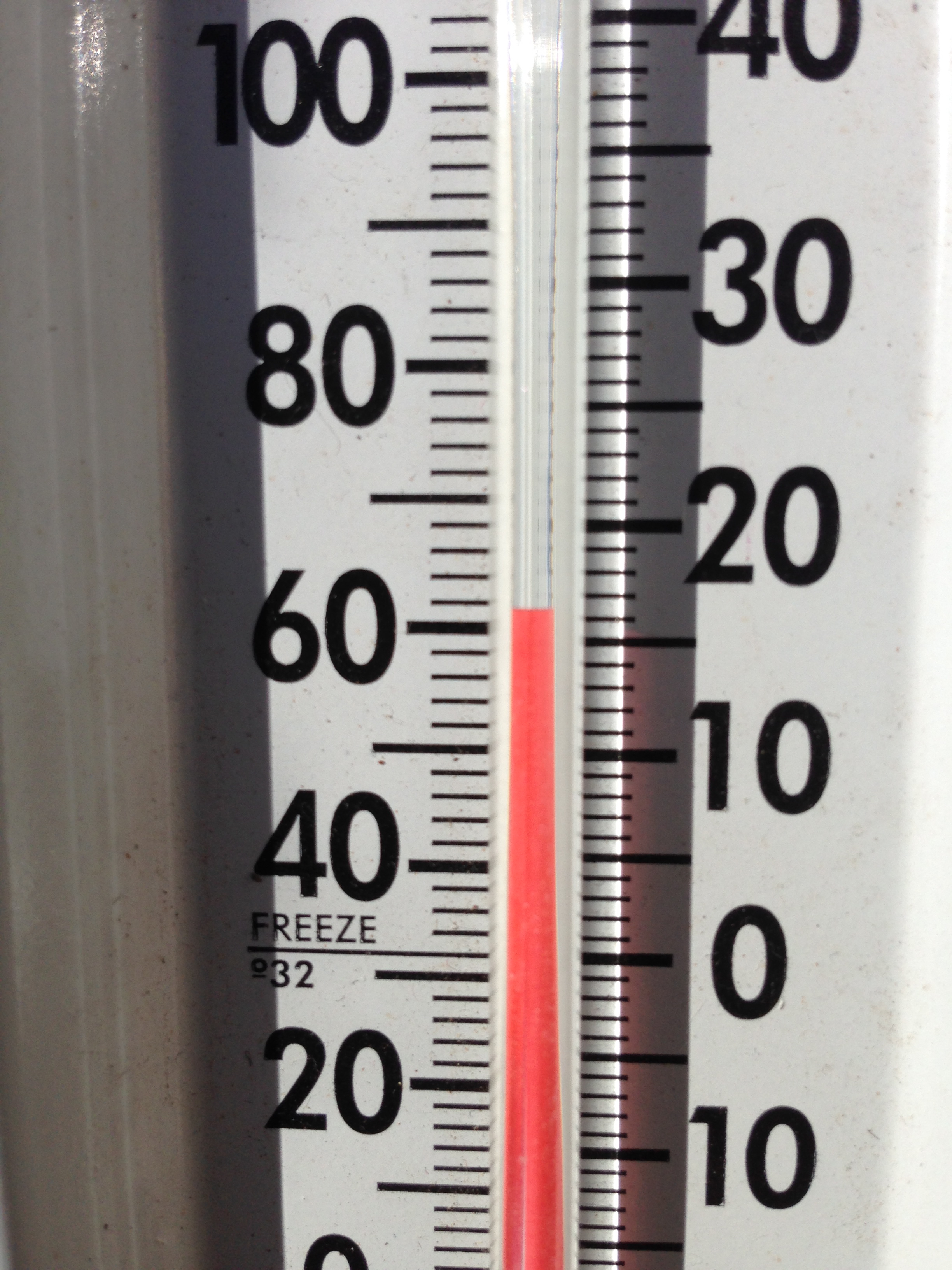
IMG_8269

Inside

A quick temperature experiment showed that on a partly sunny day in the mid-forties, inside the tunnel was just above sixty. Yesterday was unseasonably warm, in the low sixties. We didn’t measure the temperature inside the hoop, but it felt warm and smelled of rich, damp earth. A true joy to behold in early November.

IMG_8338

It’s like the tropics in here!

Hope to keep these going at least through our Thanksgiving feast! We’ll let you know how it goes.


1 Comment

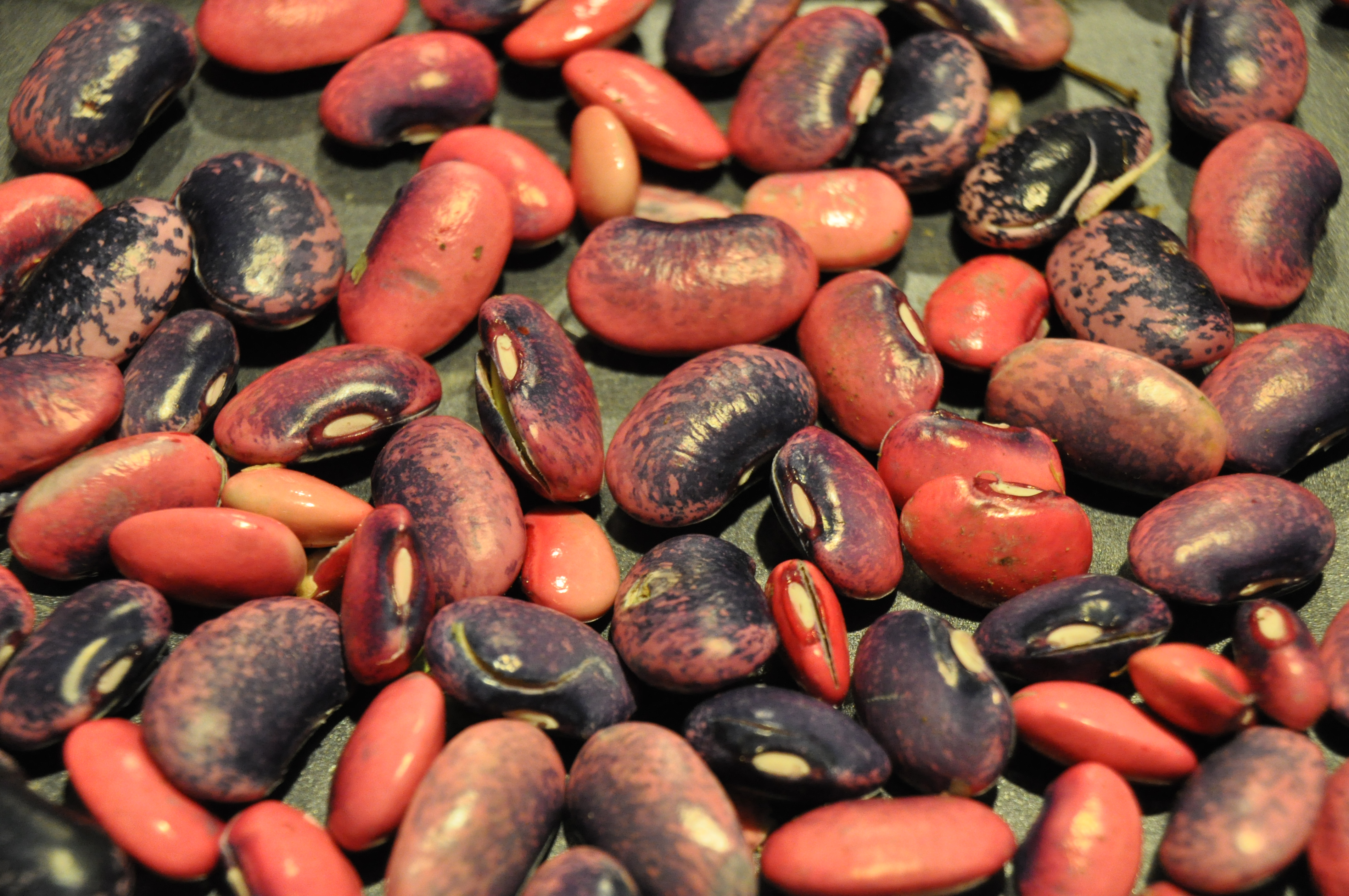
Scarlet Runners

Are these not the most beautiful gems you’ve set your yes on? Pam gave us a handful in the spring. Said the flowers would attract the hummingbirds. We didn’t see too many this time around, but are eager to try again next year.

DSC_0948

Addendum: Realize this doesn’t show scale and these babies are huge. Check out “Fall Cleaning and Gleaning” for an idea.