Over the Fence Urban Farm

Cooperatively farming small patches of Earth in Columbus, OH


Leave a comment

Kids Garden Club

This year we’re hosting the Clintonville Farmers’ Market Kids Garden Club. I’m excited to be working in the soil with kids–seeing what works with little hands and lots of little bodies and what doesn’t.

The club currently has 8 members and we’ve had two meetings so far. We’ll be meeting formally ever other week, with some informal meetups and effort by Cora and other kids from our CSA in between to keep things growing. I have made a pact with myself to not work in the garden without at least one child present aside from watering.

Here are a few highlights from this week’s session.

Upon arrival, all members, including our youngest age 4.5, sign themselves in. This small gesture is a first step in giving the kids ownership of their time in the garden.

IMG_5118

As I was setting up and getting my head together for our time together, I thought about how to bring the kids who missed the session (5 of 8!) up to speed on what they missed. I pulled out a composition book and started a garden club log. We’ll use this to keep track of what we do each session and I’ll record anything that happens when they are not around in the journal to give them a sense of what’s happening when they aren’t around. Each week, during our welcome time, we’ll review what happened the previous session and the interim. Here’s an excerpt of what I wrote for Week 1. The next pages included lists of everything we planted: transplants, seeds, and the volunteers we found on the site.

IMG_5154

After the review, we went over the days agenda which I’ve been writing on a white board. IMG_9961

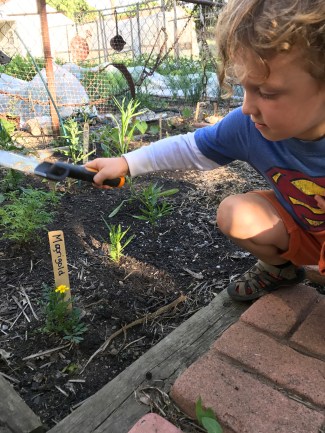
I planned for us to weed and then label plants but the moment we stepped into the space I realized that was backwards. We sat back down and the kids enthusiastically made labels to mark the plants we already had in place. Then we went back inside the gate, reviewed some of the common weeds we found – grass, sorrel (which we tasted and left a bit around for future snacking, and ground ivy.

IMG_5121

IMG_5123

FullSizeRender 2

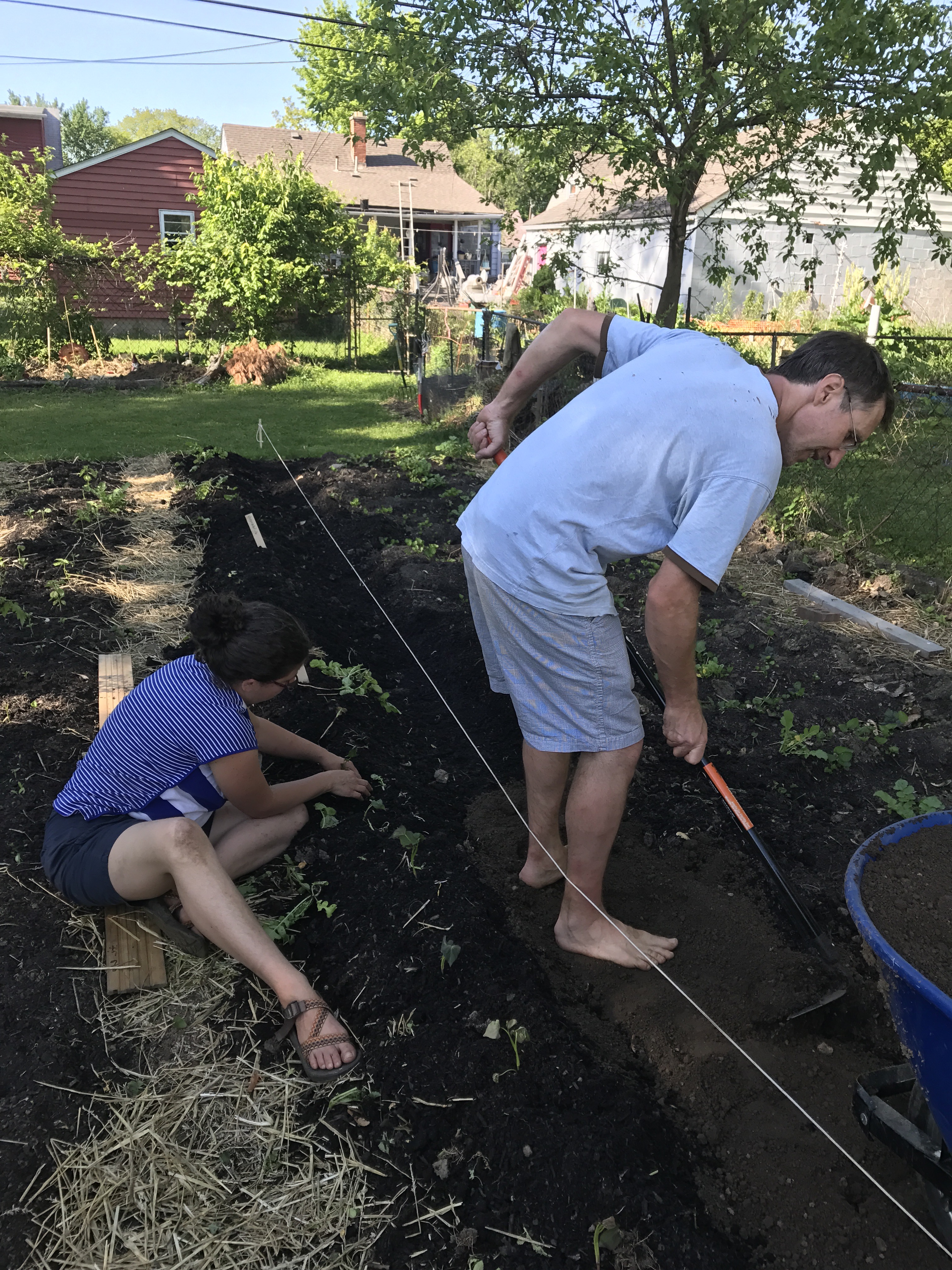
Weeding the potato patch.

We adopted a weed, seed, feed mantra for our work sessions. So, following some light weeding session, we spread compost and dug some fertilizer in around the tomatoes. We also planted a few seeds we hadn’t gotten in the ground the week before.

IMG_5130

We ended the session with a scavenger hunt over the fence on the farm. The kids got to pick and taste a spectrum of things from sweet strawberries to spicy radishes. Not surprisingly, there were mixed reviews.


Leave a comment

Scenes from the field: 5.16.17

It’s been a busy couple of weeks since my last field report. I’ve started and saved this field report with three different dates. It’s gotten longer and longer every time and its time to let it go!

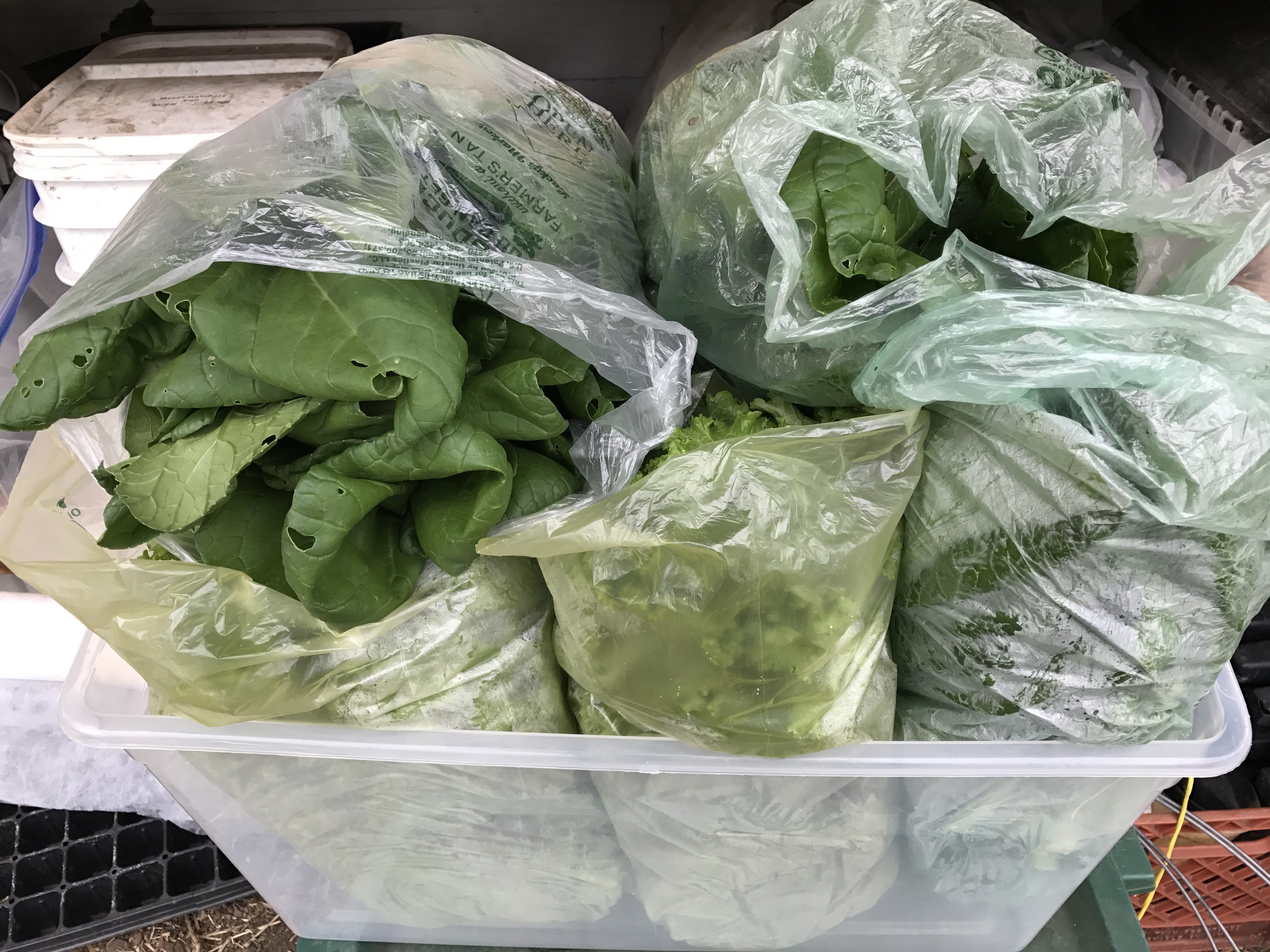
Made my first restaurant sale! 11lbs of greens to Rooks Tavern. Chef Aaron was a great customer.  Flexible and appreciative. Not sure when I’ll get back down there again, but at least now I have an idea of how the wholesale thing works.

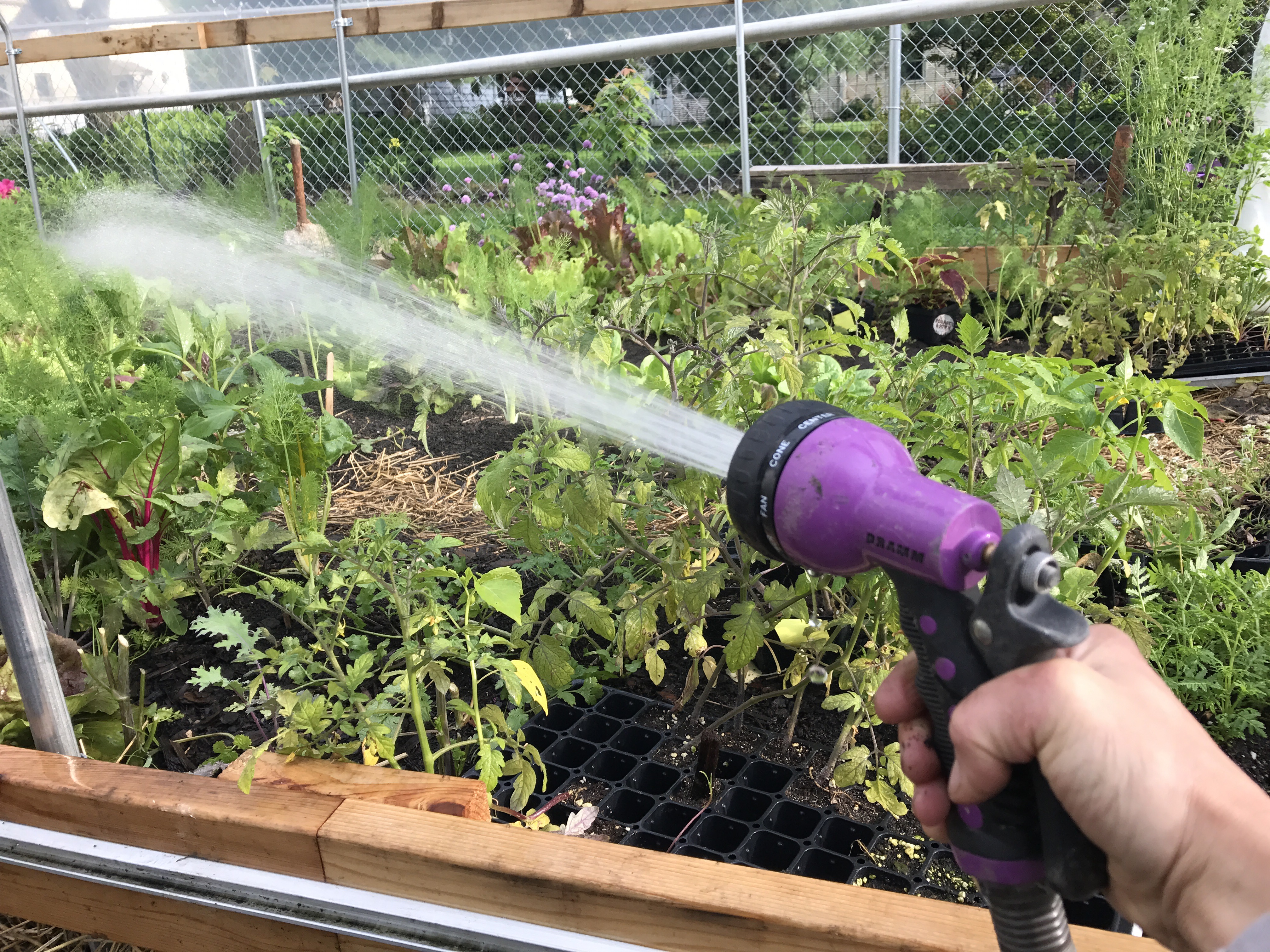
The high tunnel is always thirsty.

Raddicchio in the tunnel – almost ready!

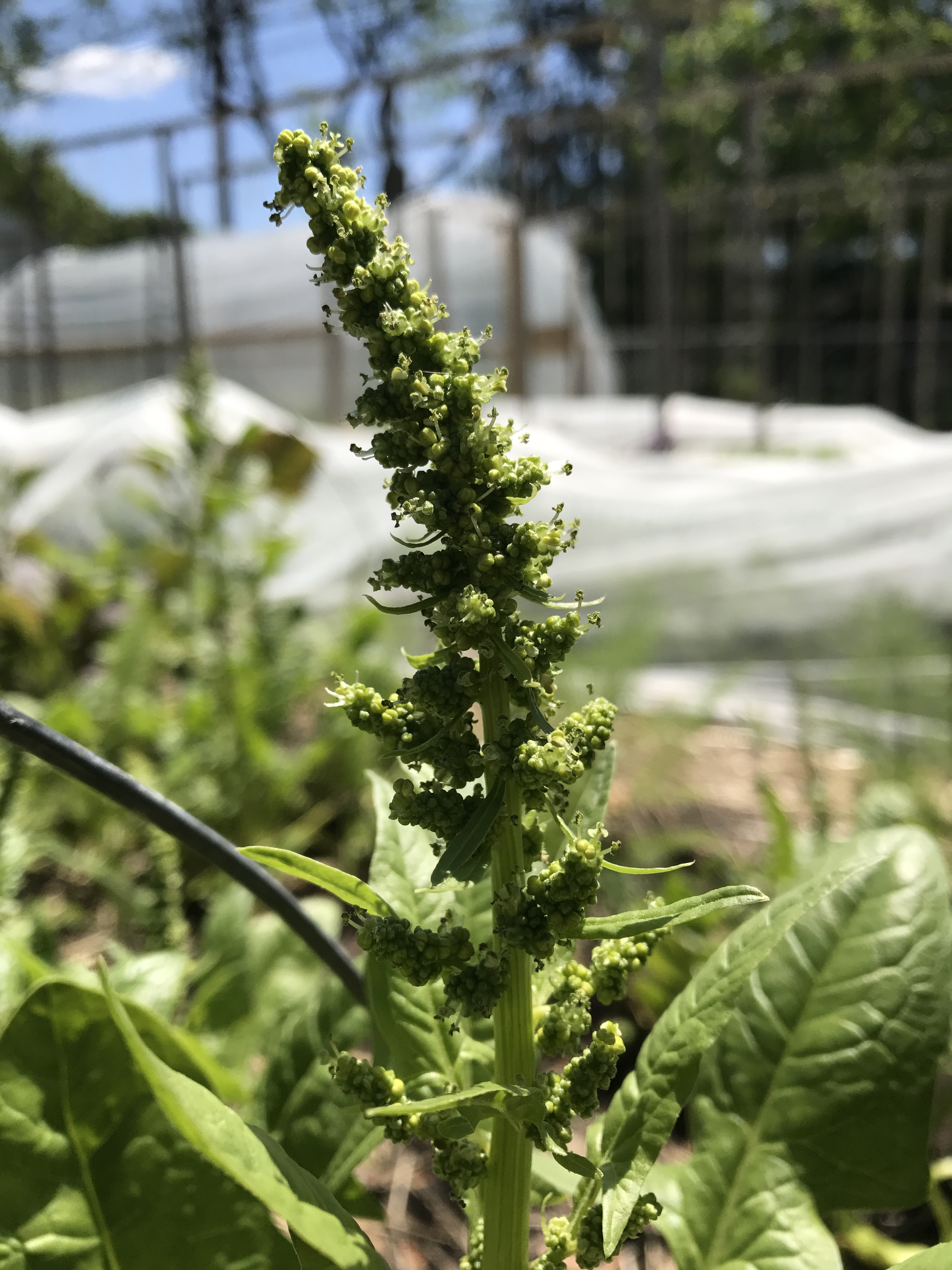
Winter sown spinach is going to seed.

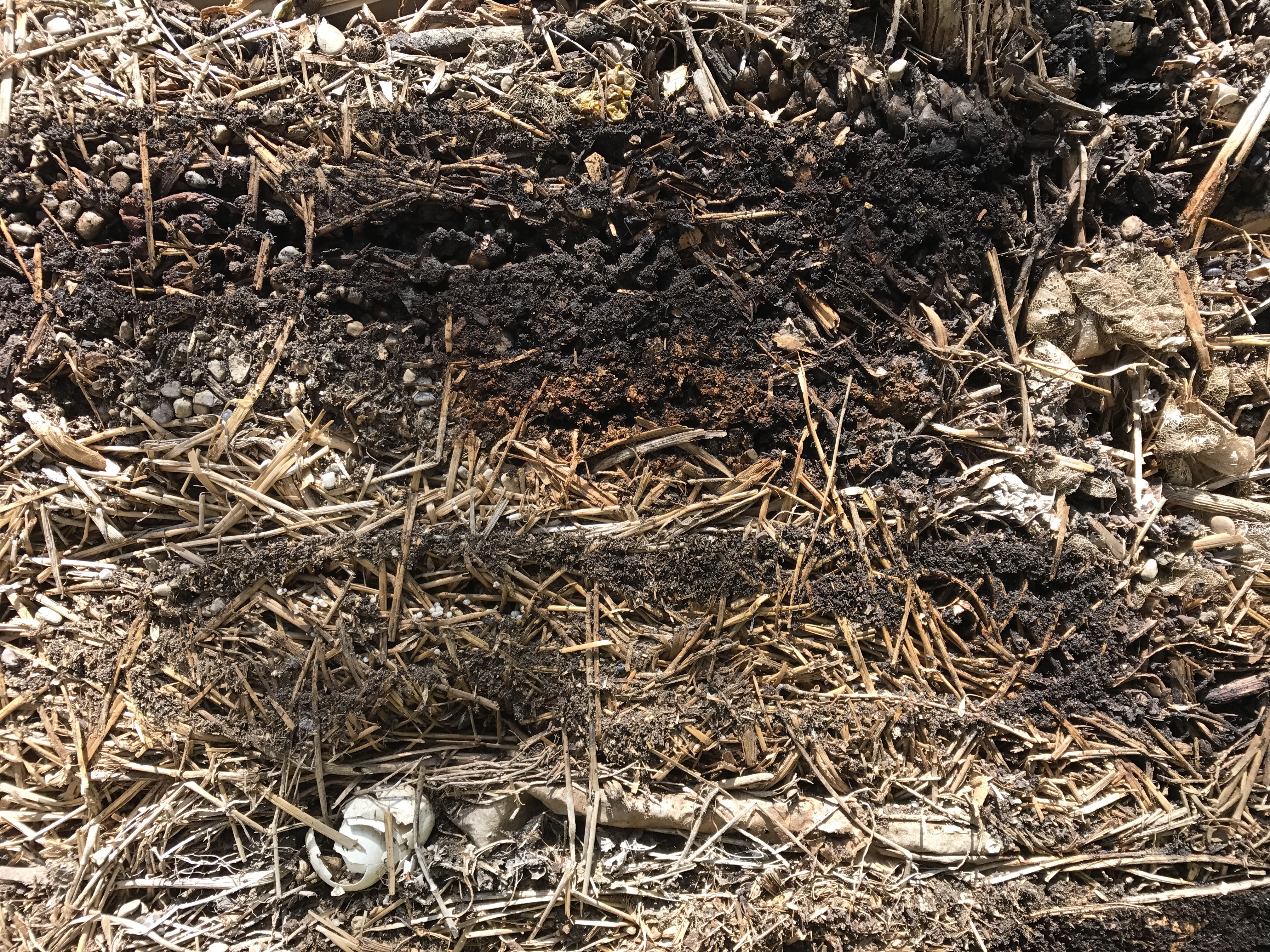
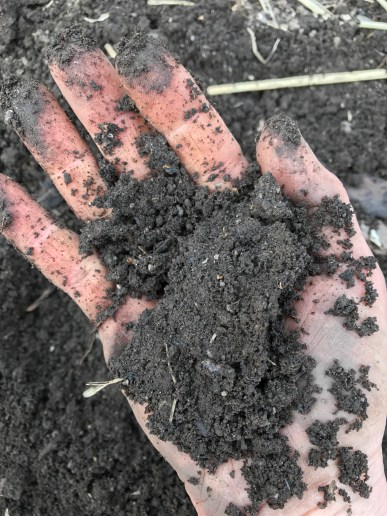
Moving the compost to make room for more flowers. Here’s a cross-section. Inside its all broke down and ready to go!

The mild winter harbored last year’s Dahlias which I was overjoyed to see. Then the near freezing temperatures took a bite. They’re back again now but this just seemed too ironic not to document.

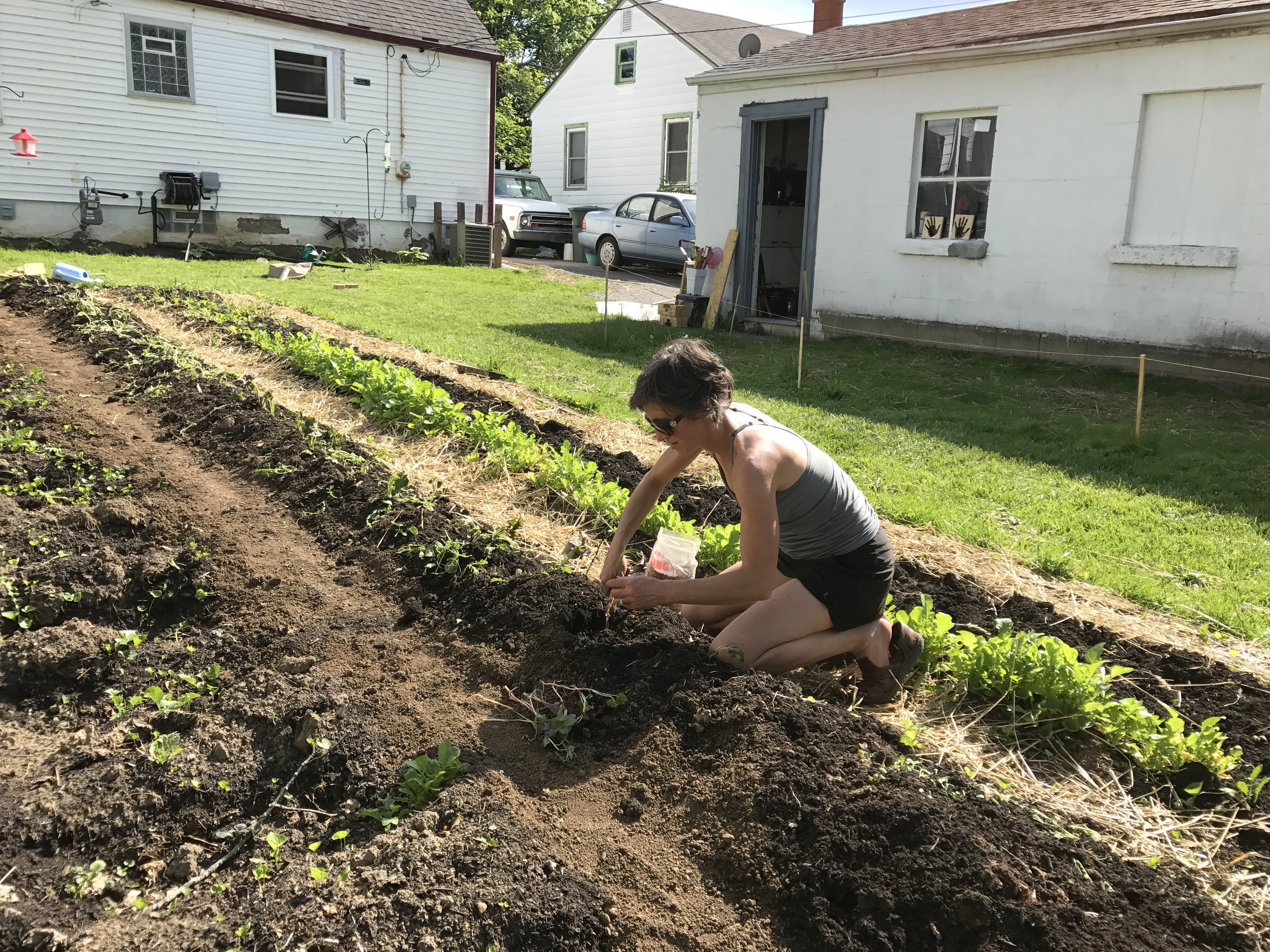
Carrots and radishes coming up where cucumbers will eventually dwell. Radish is supposed to repel cucumber beetles, one of my greatest nemeses! Will report more later on the results of this little experiment.


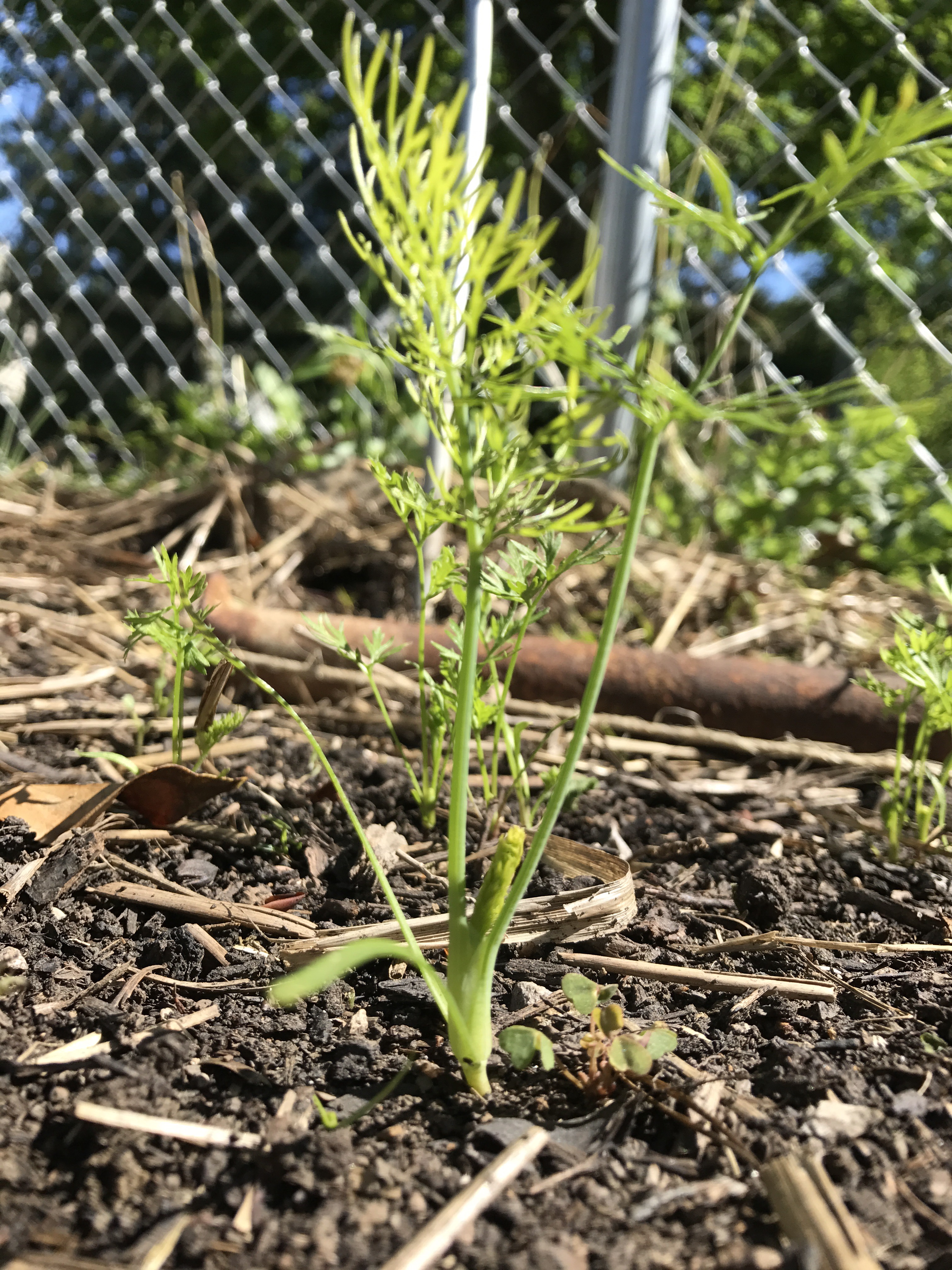
Itty bitty field sown fennel.

Visited with Columbus City Council member Elizabeth Brown to talk about the City of Columbus Green Business and Urban Agriculture Strategic Plan. This deserves a blog post of its own. Will get to that ASAP!

First bouquet of the season. Happy Mother’s Day to me!

Pulled the final bulbs of 2016 garlic out of storage. Wondering if we’ll be able to stretch it until the 2017 scapes come in…

Trying some new bush varieties of sweet potatoes this year.

Beyond thrilled to be planting the majority of our sweet taters at our friends’ Melissa and Andrew’s new place, our farm annex this year. I’ve missed being in the garden with them, so much. If ever there were folks who wanted a BIG garden in their yard its these two and I’m so psyched to see them get growing.

I’ve been going out at night to hunt slugs. Seems to be making an impact on the cabbage patch. Next up, strawberries…


Leave a comment

Hope for the Future

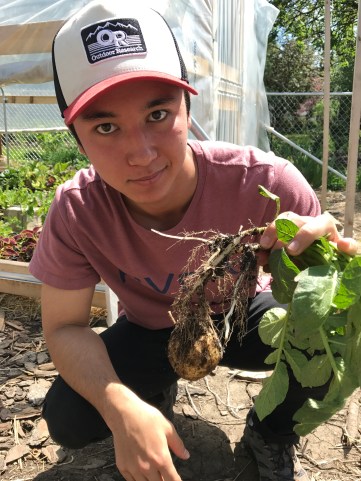
This is Leo.

img_4354-1

In February, he wrote me this email:

Hi my name is Leo and I’m currently a freshman at Ohio State. I happened to find the Facebook page for Over the Fence Urban Farm, and immediately knew it was something I wanted to support. I’m originally from Hawaii, where through school trips and community service opportunities I was able to go to and help out at multiple local organic farms. I would love to be able to come and help out in your garden. Please email me back with any info regarding ways I can help.

I wrote back and let him know things would get going in March and gave him a rough idea of what days of the week might be good to come around. Low and behold, the first week in March, he got back in touch! He wanted to try to come around before he left for spring break. Things didn’t work out that week, but once he was back in town and completed his midterms, he reached out again. We went back and forth for a month and a half until, yesterday, we connected, just days before he leaves for summer recess.

Leo showed up on time. He was enthusiastic about what we’re doing here – asked questions, shared stories from his own experiences, smiled, helped with the chores, played with the chickens, and took a big bag of greens back to the dorm to make a salad for his friends.

Thank you, Leo. Thank you for reaching out and keeping in touch. Thank you for giving me hope for the future at a time when so many things in our country and around the world seem to be upside down and falling to pieces. Thank you for being a mensch. Have a great break and we’ll see you again in August!

(If you’d  like to read more about young people working on the farm in this post from last summer, “Help from Abroad.”)


Leave a comment

Field Report: Earth Day 2017

Happy Earth Day. Thanks for making this visit to the farm part of your celebrations. It’s cloudy today in Columbus. These photos were taken yesterday afternoon when it was a perfect combination of sunny and cool. The way spring ought to be.

This is a post dedicated to local greens geeks everywhere.

DSC_0175

Napa cabbage. Interesting to see how it is doing up against various companions. Parsley and yarrow seem to be the winners.

Loads and loads of lettuce.

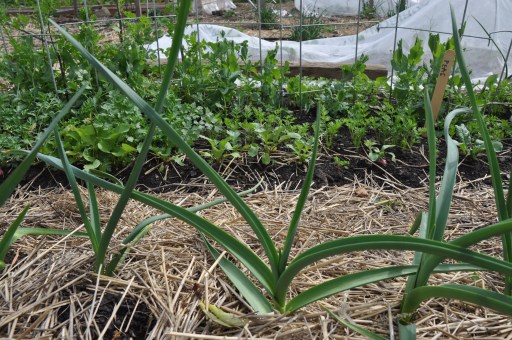
Garlic up front with radish, carrots, peas, and parsley in the back.

DSC_0180

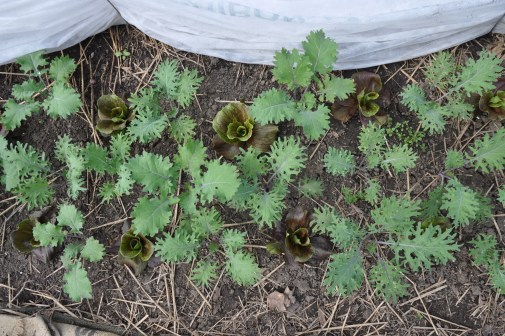
Red Russian Kale and Radicchio. Transplanted to the field in mid-March.

DSC_0211

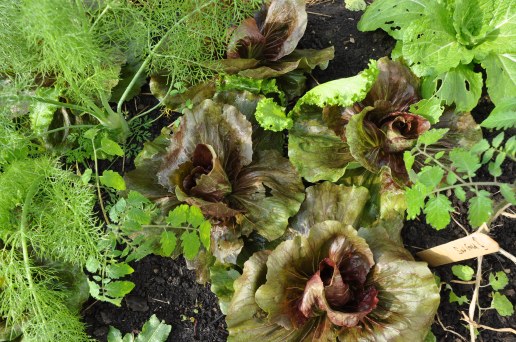
Radicchio transplanted to high tunnel in February.
Interplanted with fennel, cabbage, mustard, and tomato.

DSC_0217

Overheated winter-sown spinach and transplanted onions.

DSC_0210

Spring planted garlic up front, fall sown in the back.

DSC_0213

Trimming and thinning recycling team.

DSC_0200


Leave a comment

Field Report: April 6, 2017

It’s been a busy week and getting busier everyday. Here’s a quick look at what’s been happening on the farm.

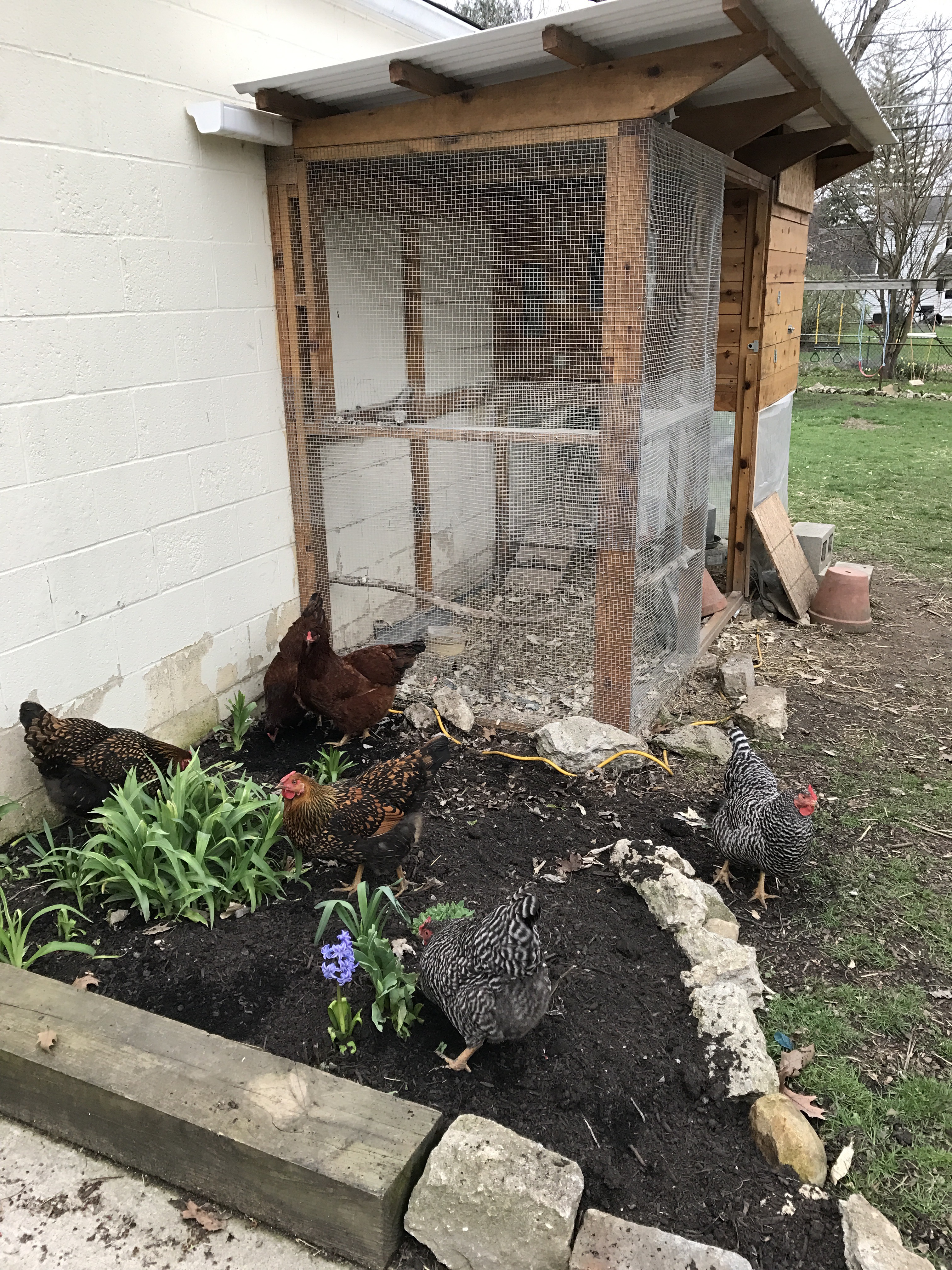
Chicken run unwrapped! The girls are very happy to have the air flowing again.

…very happy hens.

The work table and area was emptied and out for spring cleaning.

img_3786

Unearthed a mouse corpse in the process.

New CSA member John Grimes helped us move one of the two compost bins. One more to go.

img_3779

Spring garlic planting experiment…

img_3781

.…with help from Mia Grimes.

Transplated radicchio and kale with new CSA member Benn Vaughn.

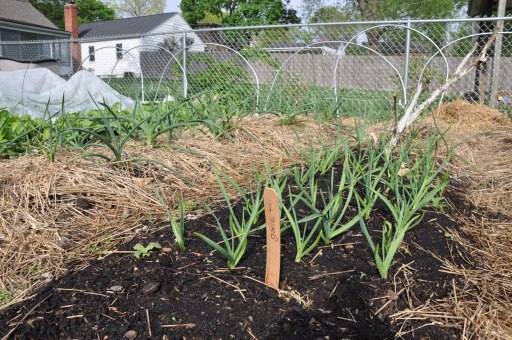
I planted a green onion vortex.


Leave a comment

Field Report: March 26, 2017

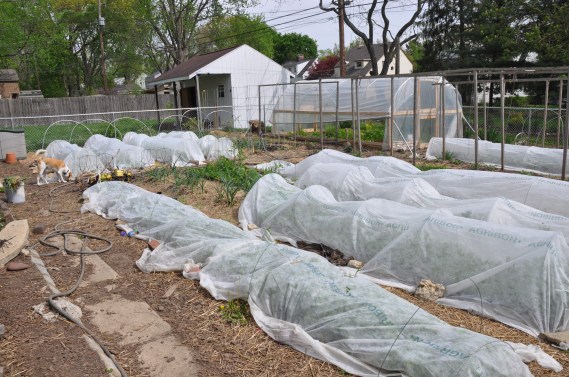
We’ve had a busy and highly productive couple of weeks around the farm as winter surrenders to spring. We started a farm annex, weathered what we hope was our final arctic blast, and got lots of things growing in the fields.

This season we’ll be growing most of our potatoes and sweet potatoes at the home our friends and long-time CSA supporters, Andrew and Melissa Freuh. They bought a house in August and the yard is a blank canvas. Melissa marked out a 20′ x 60′ plot and we got a crew of friends to help us cover it in cardboard and compost. (We moved 10 yards in under 2.5 hours!) While we would have liked to have done this in the fall to give our lasagna garden some time to cook, we planted Groundhog Daikon Radish Cover Crop seed which should biodrill through the turf for us in the next few weeks.

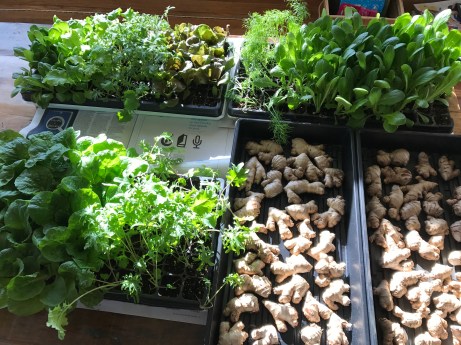
I picked up ginger root then weighed, cut, cured, and tucked it in bed. Now we wait a few weeks and watch for sprouts. Lots of seedlings – kale, romaine, fennel, radicchio, and cabbage were hardened off and transplanted, once the cold past.

img_3320

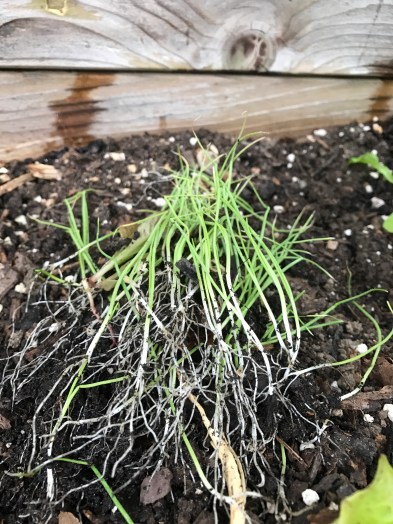
These onions were seeded in the cold frame. They lifted out effortlessly from the soil and were ready for transplanting to the field. I’m going to reseed the frame and try to stay on a cycle so we can have regular stock of scallions as well as some larger onions.

img_3629

Temperatures got high enough that we were able to test the roll-up sides on the high tunnel.

img_3568

And finally, we found a nest of baby bunnies under one of the low tunnels as we transitioned from winter plastic to spring row covers. We replaced them once our work was done to allow their mother to continue to visit and nurse them as we decide what to do next. They opened their eyes today. They are super cute which is super scary. I’ve been burned by bunnies a number of times before. The only things saving them right now are their sweet little faces and the fact that their mother didn’t touch a single plant under the tunnel when she nested. A recent read through Tammi Hartung’s The Wildlife Vegetable Gardener is probably also to blame.

This seems like a lot of work, and we got a lot of chores accomplished that weren’t sexy enough to make this post, but there is still SO much to do!

Save


Leave a comment

Field Report: 2.21.2017

I have been doing a lot more reading, thinking, and planning for companion planting after hearing Dan Kittredge speak at OEFFA a few weeks back. (Read about the conference and talks in this post on OEFFA Conference 2017.) I’m interplanting things I haven’t mixed up before and looking ahead to what I can add later to long season crops beds I am sowing now. All this in order to create symbiotic relationships between the plants so they are feeding and protecting one another, and the microbes in the soil, better.

I’m also looking at the Farmer’s Almanac’s Garden Calendar for some advice on optimal planting dates.

“The Farmers Almanac Gardening by the Moon Calendar is determined by our age-old formula and applies generally to regions where the climate is favorable. Because the gardening calendar is based on the phase and position of the Moon, it is consistent across all growing zones.”

I’ve been wanting to get a better handle on biodynamics. Using the Farmer’s Almanac in conjunction with a few biodynamic calendars I’ve been consulting seems like a relatively easy way of getting started.

According to the calendar, today was an optimal day for planting root crops so I set some radishes, carrots, and beet seeds out. I added a bit of innoculant to the seed packs, per Kittredge’s suggestion that the minerals in this dust help germinating seeds develop the systems they need to absorb and digest nutrients throughout their lives. Kittredge compared this with the precious colostrum nursing mammals produce for their babies in the first few days of life. Colostrum helps human infants develop healthy gut flora. I want my plants to have healthy guts because I’m sure it’ll mean I’ll have healthier gut too!

Tomorrow is a good day too, so it isn’t too late for you to get busy on your own early-early spring planting plan. Here are a few scenes from the field this afternoon to get you planting your own fertile ground.

img_2097

img_2091

Arugula.

img_2090-1

Winter Density & Bloomsdale.

img_2092

Red and Green Giant Mustard with Radicchio.

img_2094

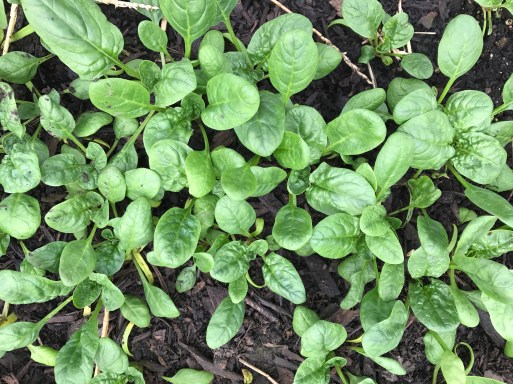
Bloomsdale Spinach.

img_2095

Unidentified Red Leaf Lettuce, Raddichio, and Sassy Salad Mix.

img_2098

Vitamin Greens.

img_2122

Soil is starting to look REALLY good. Hard to believe this was compacted clay three years ago.

img_2125

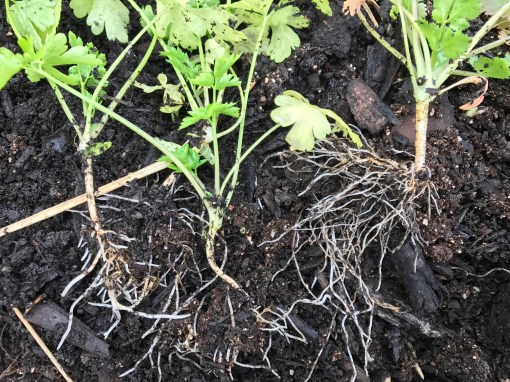
Felt a little guilty moving these cilantro seedlings but they were in the high tunnel only temporarily and suffering because they were planted over a spot that had been compacted, wood-chipped lined paths.Hoping to see their leaf color and vigor improve in the field.

img_2126

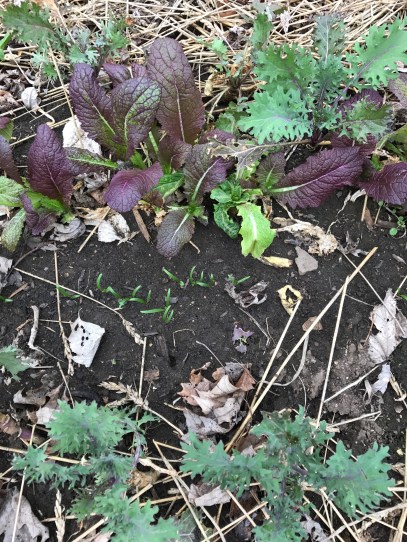
Fall planted Red Russian Kale and Red Giant Mustard with January sown spinach coming in between. Under a low tunnel.

img_2127

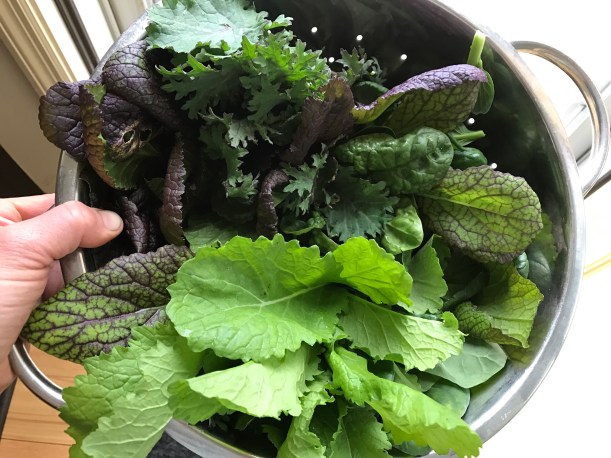
All three kids ate a raw salad tonight! Green and Red Giant Mustard, Tatoi, Spinach, Winter Density Lettuce, Red Russian Kale, Mizuna, Vitamin Greens


Leave a comment

Tunnel Visions

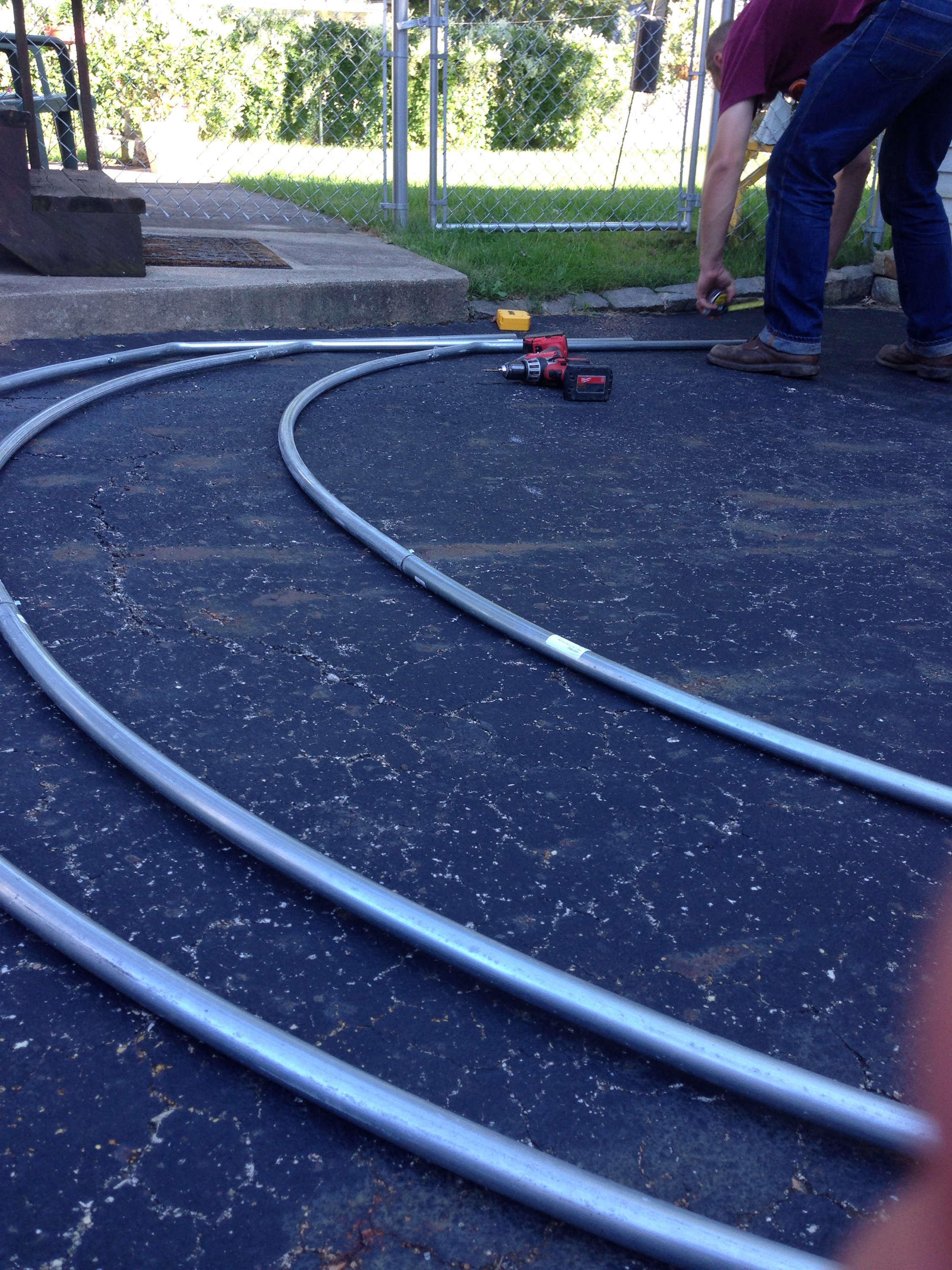
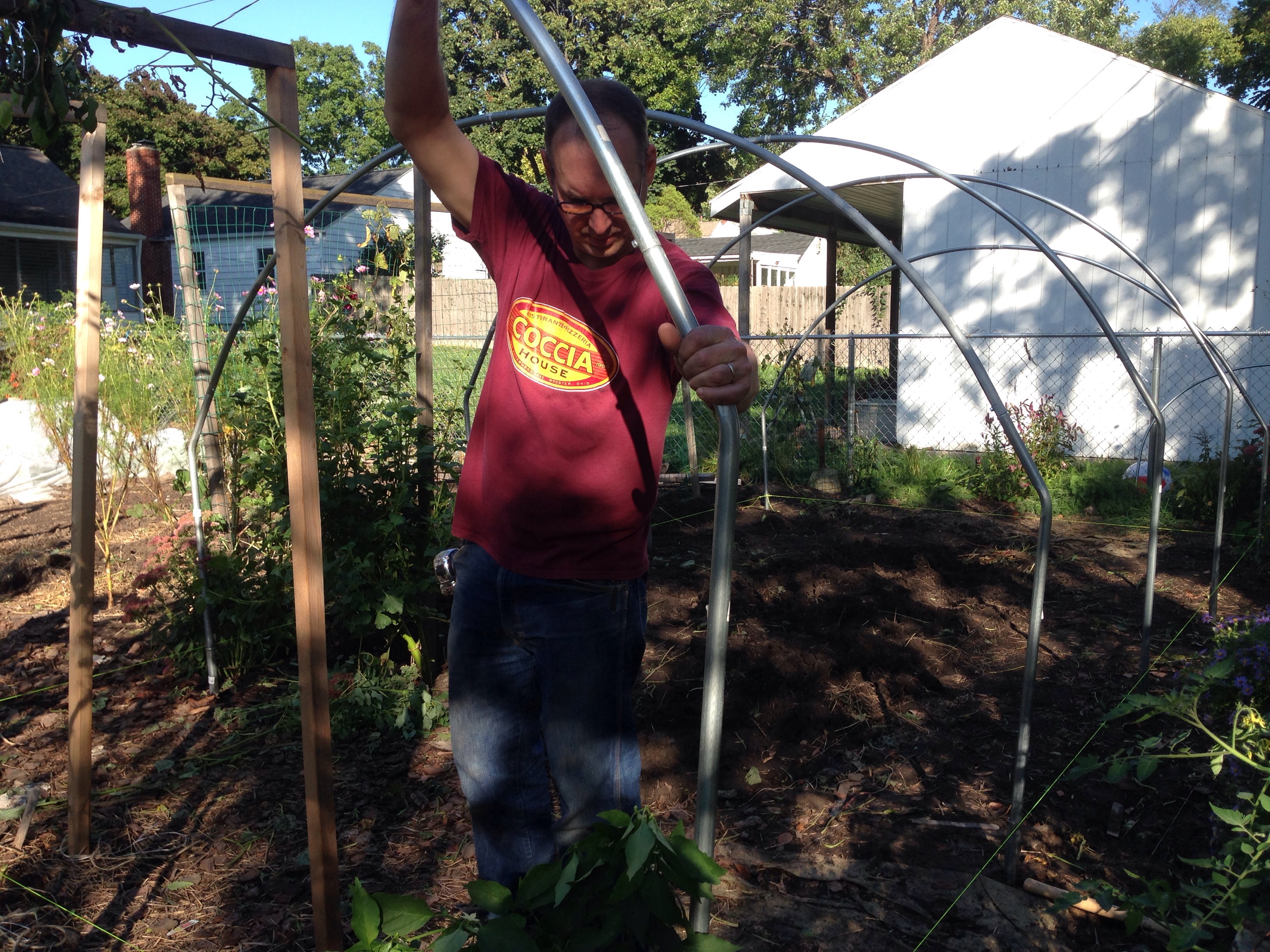
Thanks to a grant from the National Resources Conservation Service High Tunnel Initiative program we are building a high tunnel to expand our season extension practices. The kit has been hanging out in the garage waiting for the sweet potatoes to come out of the ground. Now that they have, the location for the tunnel has been sited, posts planting, and hoops installed. Stay tuned for more updates on the progress.

Thanks, as always, to The Spurgeon General for his building assistance.


Leave a comment

Tomatoes Growing Up One Vine

People sometimes look sideways at our tomato vines. We grow them up strings tied about 6 feet up from the ground, prune them down to a single fruiting vine, and they grow to be about 10-15 feet long by October. We fit around 20 plants in a 25 foot row. This practice was the result of reading Fell’s Vertical Gardening and watching a pruning tutorial on YouTube. (It’s linked in this post from a few years ago: “Tomato Fingers.”)

This year I’m trying to train more of our CSA folks to prune the plants. This is something I like to do myself both because I enjoy it and because it is somewhat exacting work. But I need to teach others what I’ve learned the past few years and I need to let go so I can get away from the farm from time to time! Pruning must be done at least once a week.

The hardest part for people to watch and understand is when I cut the suckers, some with stems 3/4 of an inch wide with flowers. They shouldn’t ever get this big but sometimes I miss one when they are young. I see the potential for fruit on those vines too, but I know from experience that it is easier for the plants to breathe, and for me to harvest their produce, when they are cut back.

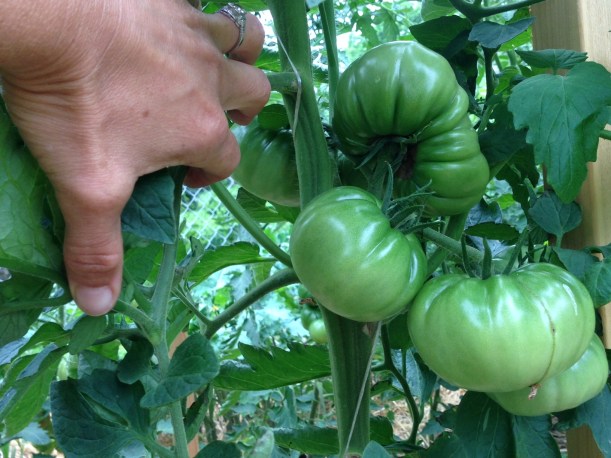
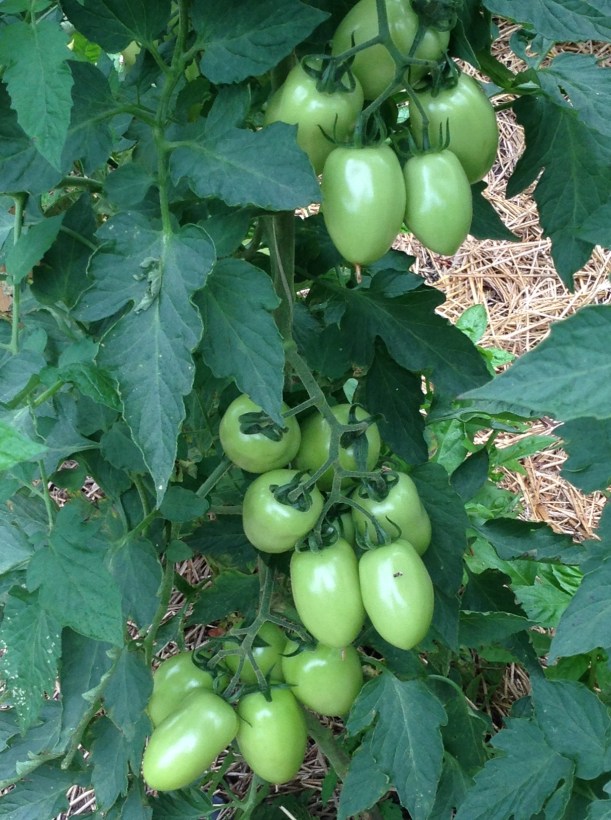
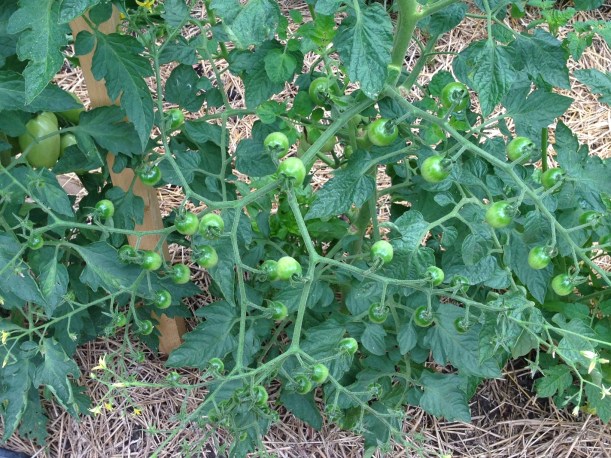
People always ask whether the plants make as much fruit as they would if I let them grow out. I don’t have a scientific answer but have always assumed that since they are directing their growth in fewer directions the yield is concentrated to those areas and does better than spreading itself out. I still don’t have hard numbers to share- I’m a qualitative researcher afterall – but as the fruit sets this season, I do believe the proof is in these pictures. (top to bottom: Marbonne, Amish Paste, Sun Gold)

IMG_6642

IMG_6640

IMG_6639


Save


Leave a comment

Help from abroad

This is Carla.


She is sixteen. She’s from Berlin, Germany and visited Columbus this spring for a few months. While she was here she attended a local high school a few days a week and volunteered at an elementary school. Her host families took her on a few road trips. And she hung around the farm, learning and lending a hand.


It was nice having Carla around. She followed directions and shared memories of her family’s balcony garden. I appreciated hearing her observations about the school she attended while she was here and about her own school back home. Her friends were also out and about visiting new places, meeting new people. I wish I could hear them share stories of their adventures when they get back.

I wonder how different teens in this country would be if they lived in another place for a few months before they left high school and home. Some alternative schools in our area have a walk-about term for seniors. While I haven’t heard of any yet who have worked on urban farms I am sure there have been some have. (If you know of any, I’d be curious to know…). And those kids might decide to pursue lives connected to the earth as a result of their experiences. They might be the future farmers of America, working to shape our food system.

Carla came to Over the Fence because one of her host mothers is a friend and member of our CSA. She doesn’t have plans to farm at this point or even join a community garden back home. But maybe, someday, in some small way, her time with us will have an impact on the choices she makes.

Save