
As some readers know, I spent this winter on the job market. As an art educator, I was often asked to talk about my personal artwork. While some of the best art educators I know do maintain active studio practices, I also know many for whom teaching is their primary artform*. So the expectation behind the question drives me a little crazy. By this logic all science teachers should have labs in their basements and all English teachers should be writing novels.
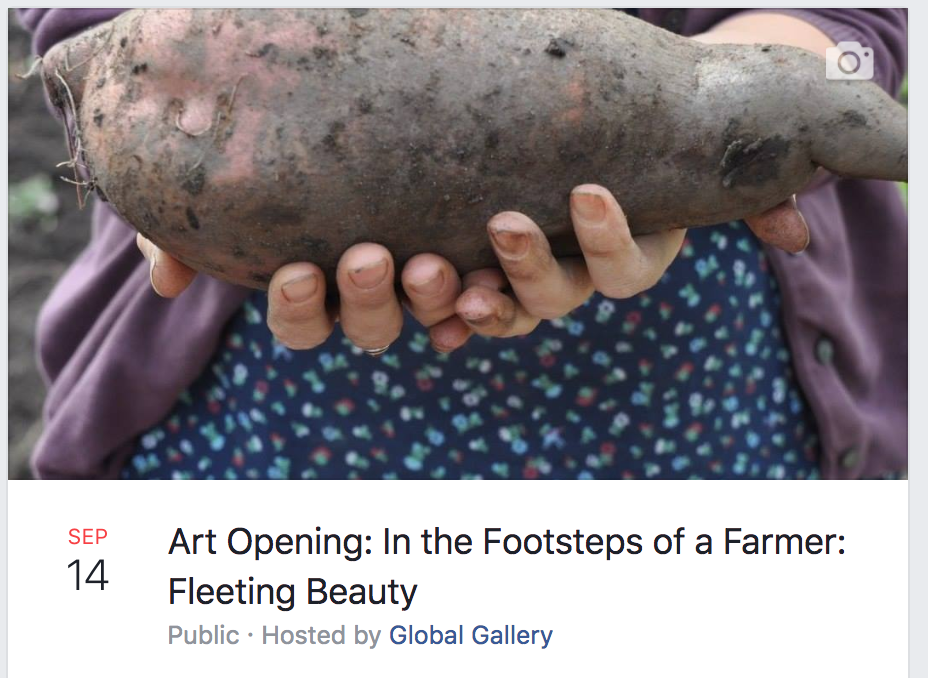
It’s also a tough question for me because for the past 11 years the farm has been my studio. That’s not an idea that makes sense to most folks so it requires some explanation. It aligns closely with my interest in contemporary art practices that utilize non-traditional materials outside gallery spaces and forefront social engagement, which are also foreign concepts to most people. I’ve written about farming this way before but after an intense and highly rewarding early spring waking the farm up for the season and securing a job at the Ohio Arts Council, I feel compelled to revisit the idea.

Years ago, Rachel Tayse (Harmonious Homestead, Hounds in the Kitchen) – one of my early inspirations in backyard farming – honored me with inclusion in an article she wrote for Edible Columbus about farming as creative practice. Rereading that article now, renewed my commitment to the concept.
While I’m totally freaked out about how warm this past winter was, it was such a pleasure to get outside and have my hands in the soil in February. Since pausing our annual Pollinator Lover’s Plant Sale, I’ve reallocated the energy and resources I used to spend preparing for that event on rejuvenating our property and donating plants to my daughter’s school as part of a honeysuckle clearing and re-wilding effort. I can’t really describe the joy I find in dividing perennials to spread beauty and bounty around. But I want to try to articulate and share how this work relates back to my understanding of the farm as a site for creative practice, as creative placemaking, using some of Hetland, etal’s (2007) Studio Habits of Mind.
It all starts with making observations. Heightened awareness and acuity is a powerful form of mindfulness essential to all forms of visual art making. (NOTE: I’m a visual artist so I focus here on sight, but I’m sure the same is true for musicians with sound, dancers with movement, and actors with behavior.) Not a day goes by that I’m not out walking around the yard looking at what’s popping up out of the soil, how the landscape changes from season-to-season. It brings joy to my life to connect in this way. To see the natural world unfolding. It may sound obvious but the more I look, the more I see.

My best days are those when I head out back and get lost. If you’re familiar with our place you know that’s not because we sit on acres of land. But within the small plot we’re stewarding, there is so much going on, and so much to do. Once I reach a state of flow, I move between plants and spaces like a painter across a canvas – digging here, weeding there, seeding here, harvesting there. Like the abstract expressionists who inspired some of my first successful (read: interesting) independent artwork, I use an all-over approach to farming. In this way my craft develops in response to what I find in the field, in collaboration with the rain, sun, soil, time, and temperature.
Moving through the tasks that ,while important to successful production, don’t feed me creatively, provide opportunities for me to practice engaging and persisting. While people generally refer to K-12 art class as “fun,” honing an artistic craft requires repetition and trial and error that is not entirely enjoyable.
Everything I’ve written thus far pertains to my relationship with the work. But this season I’m trying to get people back to the farm after my sabbatical because I know that it’s your presence that completes the work. Having people over is the final component of farming as creative practice. It’s like a tree falling in the forest – a farm that no one visits is important, it serves its primary function of producing food but to serve the transformational function of getting people to think differently about where food comes from and how edible plants can function in a landscape, they need to stand within and see it with their own eyes. Like Walter Benjamin wrote about works of art in the age of mechanical production, an urban permaculture farm in the age of industrialized agriculture has an aura about it that can only be experienced in person.

So keep your eyes and ears open for announcements about our next open house! Coming this June.
*See: Eliot Eisner’s “The Art & Craft of Teaching” in Education Leadership (1983).
 Over the Fence Urban Farm