Over the Fence Urban Farm

Cooperatively farming small patches of Earth in Columbus, OH


Leave a comment

Back to the Future, Farmers of America

Like nearly half of Americans who voted in the election earlier this month, I’m disappointed with the results. I’m disturbed that so many people were willing to vote for a sore loser who values TV ratings over hard work and experience. I’m sorry Kamala Harris couldn’t convince more people to follow her down a path paved in freedom, mutual aid, and joy. I’m frustrated by all the people who didn’t vote one way or another. Much of what I hear on the news makes me angry, confused, and disheartened. Thank g!d for the farm.

Research shows that having your hands in the soil and spending time with other people can help ward off depression and loneliness. Farming gets your body moving which is the first step towards better mental health. Bonus that you are getting exercise outdoors in the fresh air absorbing Vitamin D. When you grow your own food you eat better. When you eat better you feel better. And the kind of urban cooperative farming we engage in provides opportunities for social connection.

The climate is changing and the earth is literally on fire in many places, but when we come together to work with the land, we do our part to help keep her alive. Our efforts on the quarter acre we’re stewarding may not have a huge impact on its own, but imagine the impact of 1 hundred, 1 thousand, or 1 million people engaging in small scale collective farming and rewilding native habitats. Doug Tallamy is mapping the latter through Homegrown National Park. It’s beyond time we had something like that for urban farming.

If you’re angry about the election, I strongly advise you to follow the advice of Lukas Nelson & Family: “Turn off the news and build a garden.” I promise it will help you “feel a bit less hardened…a bit more free.”

There are tons of resources on this and other blogs that can help you. And I, like most every other grower I know, am happy to answer any questions sent my way. Talk to people, find your allies, check some books out from the library, start a garden journal, and start getting ready for next season. I can’t tell you it will stop He Who Shall Not Be Named* from doing dumb shit, messing stuff up, and enabling others to do the same or worse. Potentially a lot of stuff. But I’m sure it will make you, and any friends you bring along, feel better, and stronger, and ready to fight the bastards when the time is right.

This all aligns really nicely with something my friend Cheryl has been teaching in our Jewish community the past few weeks. Our tradition offers three suggestions for hard times:
1) Don’t mourn alone.
2) Express gratitude.
3) Practice tikkun olam (find, uplift, and bring light into the world through acts of loving kindness and repair).

Reflecting on how our farm has provided and will continue to provide space for all these things makes me feel some hope in the darkness. And I hope by reading this you might feel inspired to find or make space like this in your community. If you’re around Columbus, plan to join us sometime in the spring. Over winter, consider taking a class at the Columbus Garden School. Check books out from the library (see some of my early recommendations here.) It’s always the right time to start building a garden.


*I thought it would be interesting to look back and see what I’d written before about working through the 2016 election by farming. I search for his name and only found it in one post. I’m proud I kept him out of this space. He’s one of the few people whom I would never invite over for a salad.

Leave a comment

Farmer Field Trip: A Garden of Hope

This is the first of a series of posts I’ll be sharing this season highlighting growers in central Ohio. If I’m lucky, I’ll venture beyond the borders of the Buckeye state once or twice before the fall frost comes back around. I’m looking forward to taking the season off from our CSA in order to learn about what others are doing and contemplate new directions for our operation in the years to come. Hope you’ll join me on these adventures. – Jodi

This time of year, I spend a lot of time in the basement taking care of seedlings. It’s quiet, methodical work – sowing, watering, monitoring, thinning, transplanting – that seems perfectly suited for wintertime. But as soon as the sun starts shinning, and especially after the clocks spring forward and the temperature warms a little, I’m ready to get out.

As I’m taking it easy this year in observance of shmita, I have a few visits to other Columbus growing operations planned. Recently, I got to swing by the Howlett Greenhouses at OSU (along with longtime friend and photographer of the farm Julian Halliday) to check out how Amy Barr is getting ready for the season as garden coordinator for the James Cancer Center’s Garden of Hope.

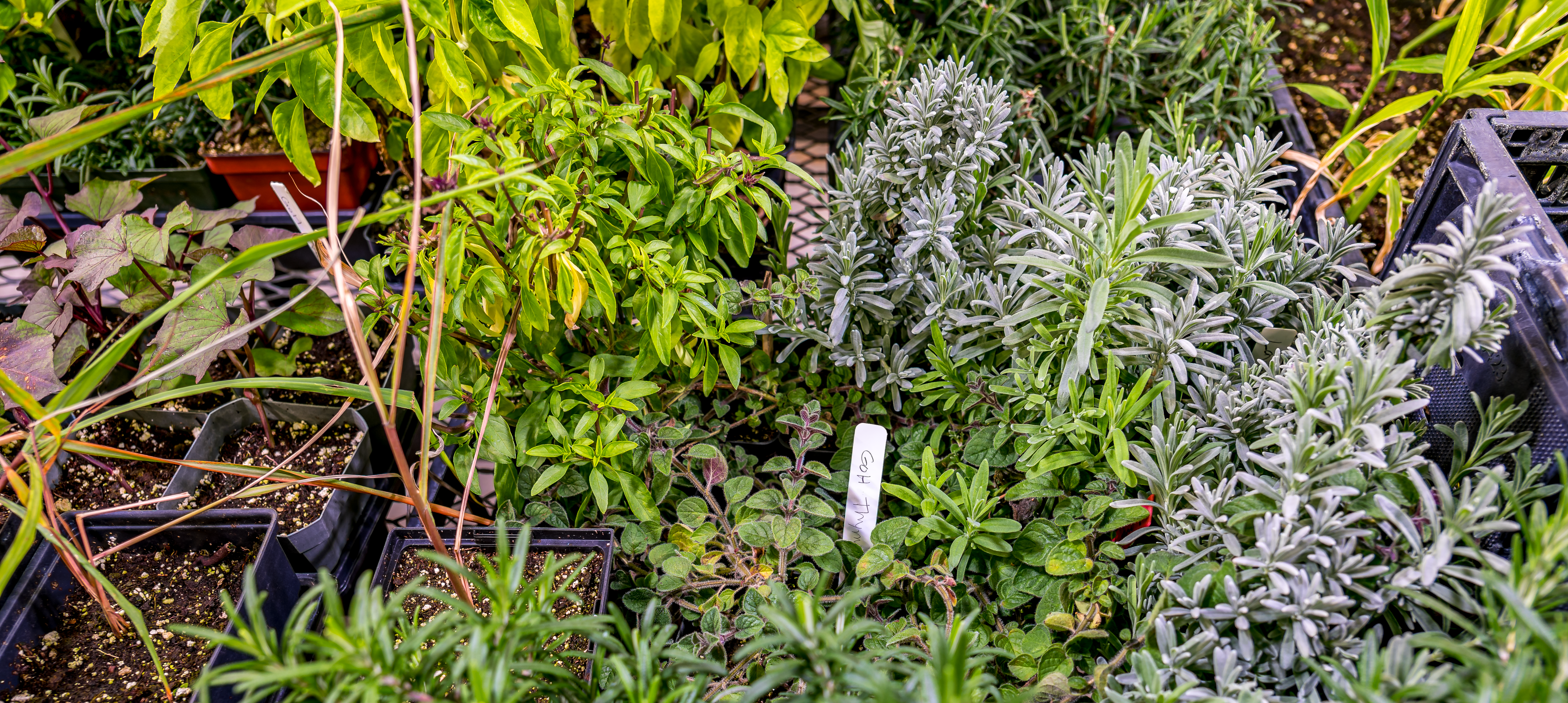
Amy showing off her seedlings including ginger, rosemary, and other woody herbs regenerated from previous harvests.

2022 will be Amy’s 5th year with the garden, promoting the concept of food as medicine. From June-October cancer patients, survivors, and caregivers are invited to spend time in and harvest from the garden as often as once a week. While there, they learn about the nutritional benefits of a plant-based diet, which studies suggest may help prevent the growth and spread or cancer. In addition to increasing patients’ familiarity, knowledge, and access to healthy foods, the program promotes time outdoors and supports the psychological benefits of social engagement, breathing fresh air, and getting soil under your fingernails.

Amy works in concert with a dietician to teach participants how to add more produce to their plates. A healthy goal, she suggested, is to fill half the plate with vegetables and plant-based proteins. While they emphasize produce, they do not push a vegan or vegetarian diet. By visiting the garden, she reports, people are more likely to try new things. Staff and dietetics students from the university provide easy recipes to get people inspired by what they bring home.

In the same way the garden inspires participants, it has been inspired by them. Over the years, staff has expanded what they grow to meet the cultural demands of those they serve. After it was requested on patient surveys, Okra, was added to the garden offerings. Bonus: It has a beautiful flower. Patients have also taught Amy and her colleagues new ways to use familiar plants – like sweet potato leaves.

Like the rest of us, Amy and her team had to pivot their operations during the pandemic. Rather than a volunteer system, they ran the garden more like a tradition CSA – participants drove up to the garden and received a weekly share. While this was limiting in many regards, they learned that people were more likely to try new things when given them in a pre-made bag than when they were picking for themselves. This year they plan to try offering a “featured item” that everyone receives alongside those they gather for themselves.

If you or someone you know have or are living with a cancer diagnosis and are interested in learning more about The Garden of Hope, sign-up for their orientation April 30th, click here. You don’t have to be a patient at The James to participate and your caregiver (up to two, who need to register individually) can come along.

I can’t wait to visit the garden again this summer when it’s in full bloom. (Though it did look beautiful in it’s winter slumber….)

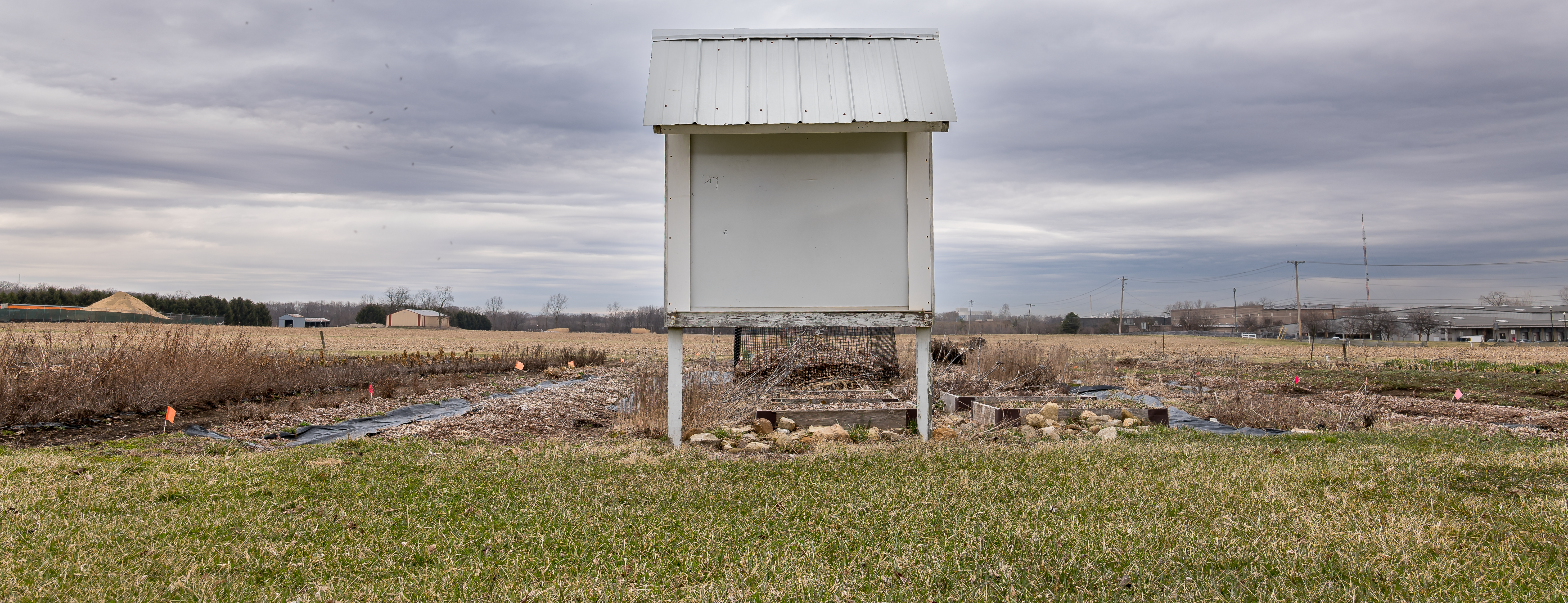
The Garden of Hope on The Ohio State University’s Waterman Agricultural and Natural Resources Complex @ Kenny Road.


Leave a comment

OTFUF Supports Local Matters

Five years ago, The Spurgeon General and I attended our first Local Matters Harvest Ball. We bought tickets to the event to force ourselves out of the house to which we’d been tethered for some years by our love children – one human, the other agricultural.

That night we learned about the organization behind the bumper stickers as we wined, dined, and danced. Each year since we have become more invested in the mission of this organization that partners with so many central Ohio organizations working on issues of food security, health and wellness.

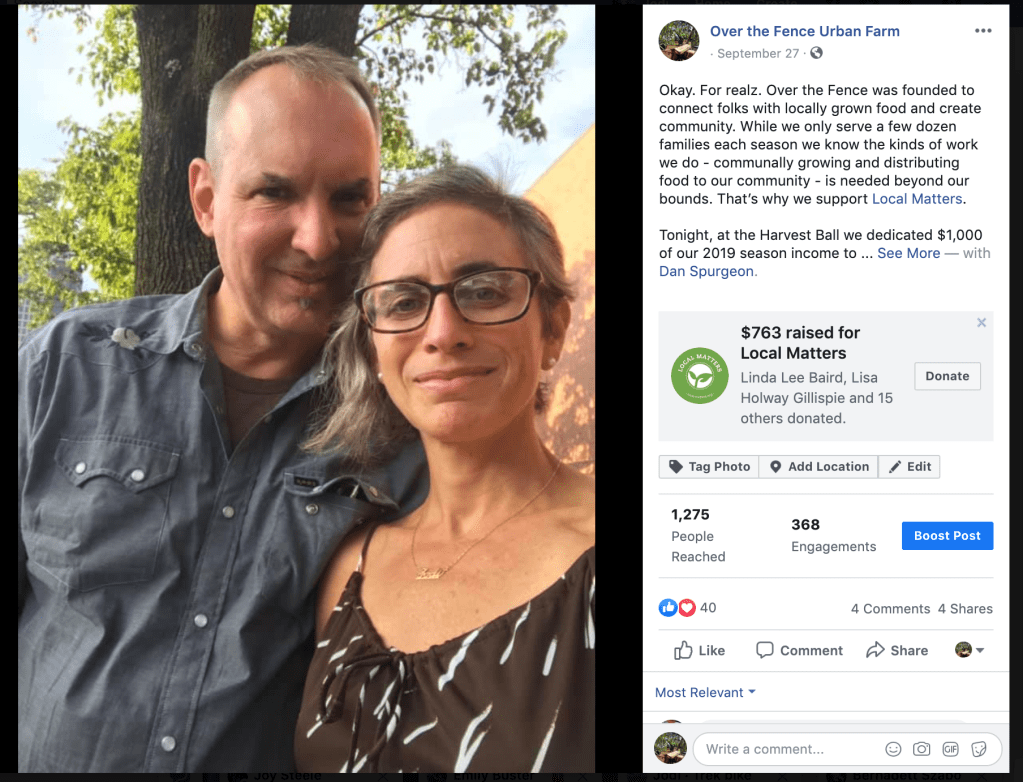
This year, we donated $1,000, about 1/4 of our CSA proceeds, and challenged our friends and followers on Facebook to match us. While we didn’t meet our goal of $1,000 in a weekend, we got pretty darn close. Check one more box in the “Hope for Future” column. (Click through the link for another example from OTFUF history.)